Foods High in Potassium: How to Fit Them Into Daily Life Realistically
By:Author:Carnimeat Editorial
Updated on:October 17, 2026
- Steps to Build a Potassium-Friendly Plate Today
- How Often You Need Potassium-Rich Foods on Your Plate
- Working Potassium-Rich Meals Into a Packed Week
- A Four-Stage Starting Plan for Potassium-Rich Eating
- When a Potassium-Rich Eating Pattern Starts to Feel Normal
- Mistakes That Undercut a Potassium-Focused Plate
- Letting Carnimeat Simplify Potassium-Rich Eating
- Making This Week's Shopping List Count
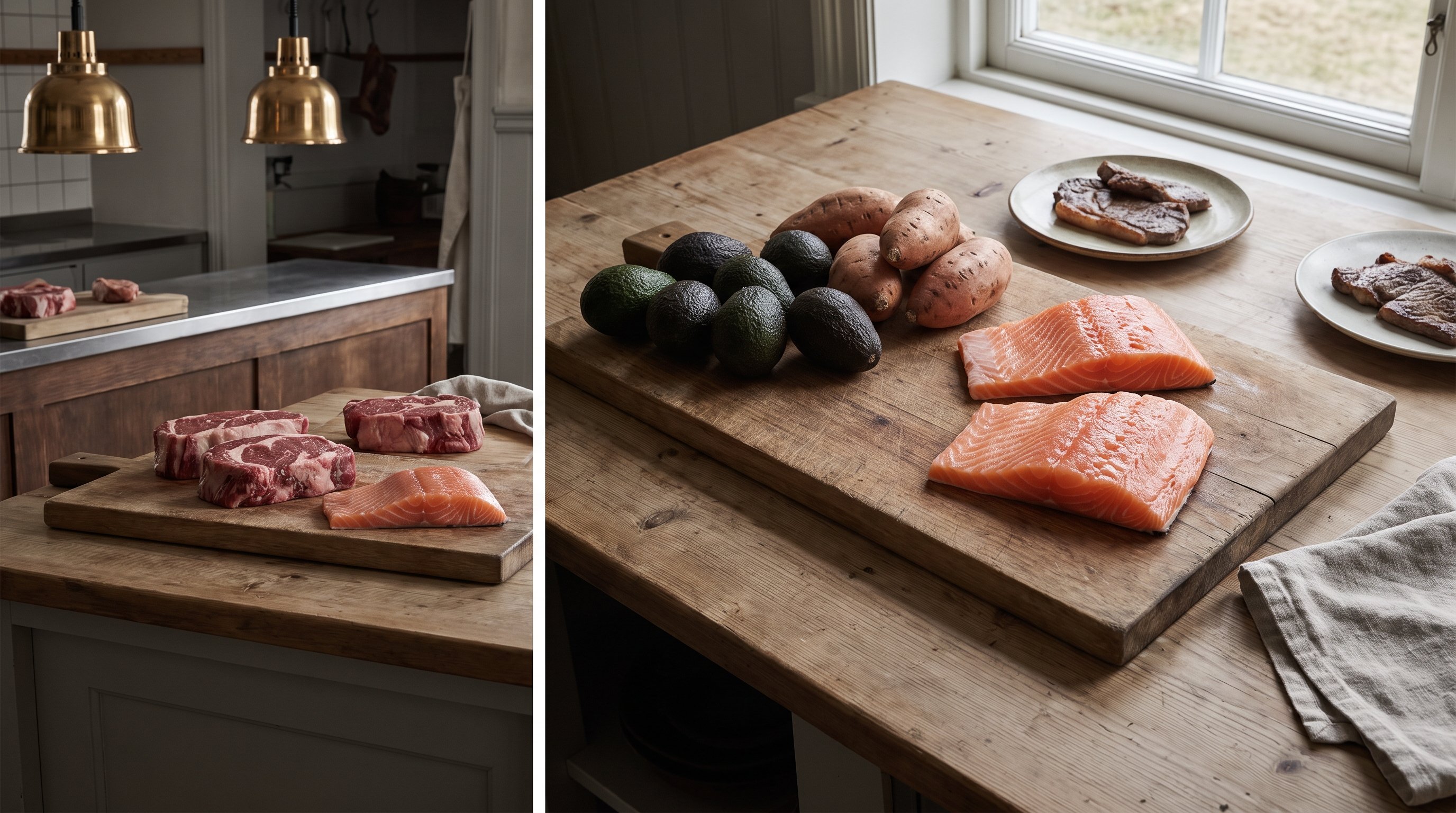
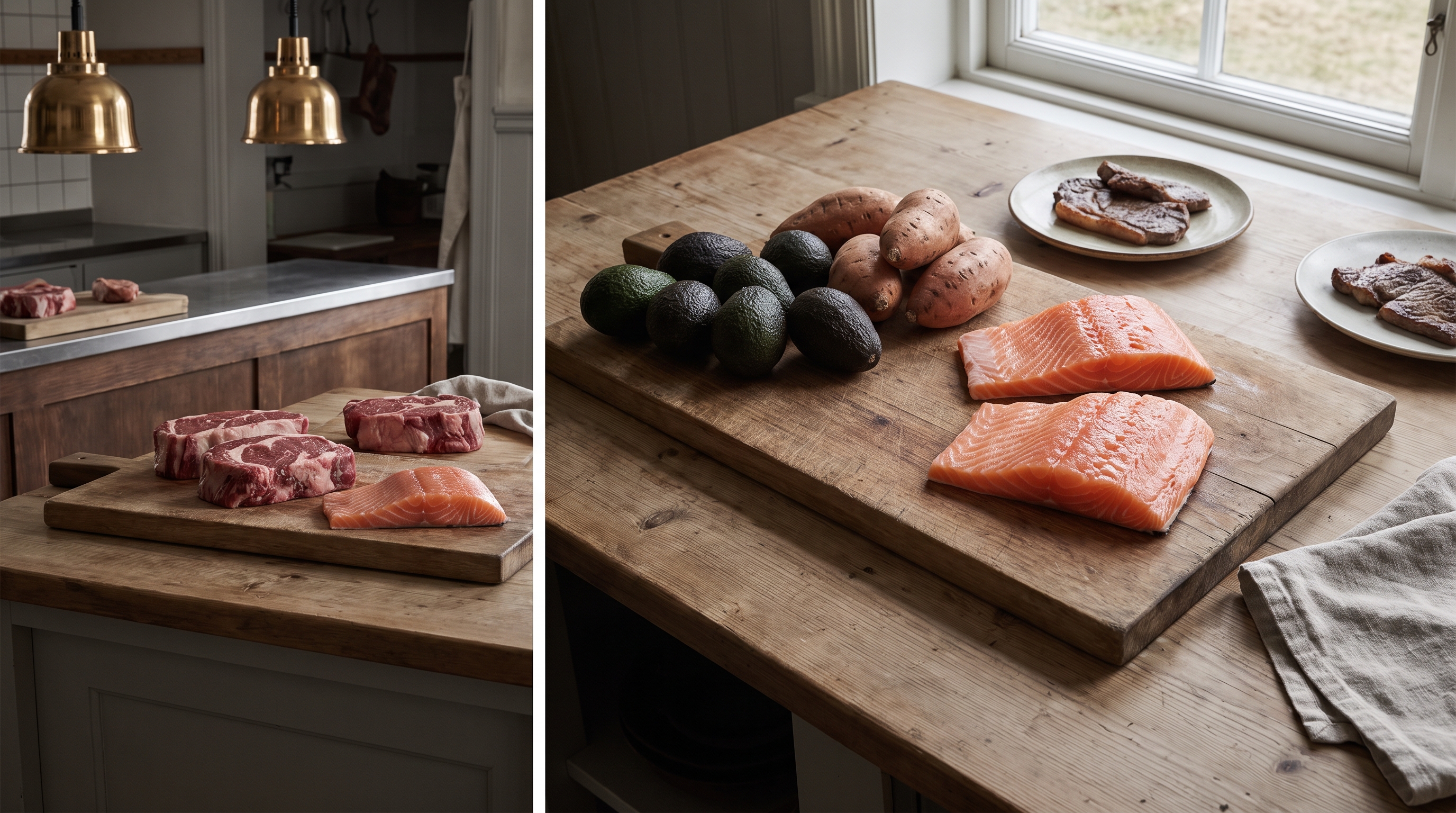
Foods high in potassium include things like beef, salmon, poultry, and a handful of vegetables - the mineral is spread across more everyday foods than most people assume. You don't need an exotic shopping list to get there; you need a rotation you'll actually repeat.
Potassium works alongside sodium to help muscles and nerves function, which is part of why it shows up on so many nutrition checklists. The practical challenge isn't finding a source - it's building a pattern you can hold on a Tuesday night when you're tired and the fridge is half empty.
This guide covers which foods actually carry potassium, how to fit them into a normal week, a simple starter plan, where people tend to quit, and the mistakes worth skipping entirely.
Steps to Build a Potassium-Friendly Plate Today
Getting more potassium into a normal day doesn't require a new diet - it requires a short checklist you can run through while you're already cooking.

A Simple Sequence to Follow
- Pick a protein first - beef, salmon, or poultry gives you a base that already carries potassium, so the rest of the plate is just filling gaps.
- Add one vegetable with substance - something like potatoes or leafy greens pulls more weight than a token side salad.
- Check what you're drinking - plain water or unsweetened options keep the rest of the plate doing the work instead of sugar.
- Rotate your proteins across the week - repeating the same single source every night makes the plate feel like a chore fast.
- Batch what you can - cook extra portions of your main protein so a potassium-friendly meal is the easy option, not the effortful one.
- Keep a short backup list - two or three meals you can make on autopilot stop a busy evening from turning into takeaway.
- Revisit the plate monthly - swap in a different vegetable or cut of meat so the rotation doesn't go stale.
How Often You Need Potassium-Rich Foods on Your Plate
Potassium isn't something you load up on once a week and forget - it works best as a steady presence across most meals, not an occasional binge.
A Rough Guide to Common Sources
The table below lines up a few common foods with how often they realistically fit into a week, so you can see where the easy wins are.
| Food | How Often | Role on the Plate |
|---|---|---|
| Salmon | Two to three times weekly | Main protein |
| Beef cuts | Three to four times weekly | Main protein |
| Potatoes | Most days | Side or base |
| Leafy greens | Most days | Side addition |
| Poultry | Two to three times weekly | Main protein |
None of this needs to be exact - the point is variety across the week rather than hitting one food every single day.
Working Potassium-Rich Meals Into a Packed Week
The gap between knowing which foods help and actually eating them most days is where most plans fall apart - not because the food is hard to find, but because decision-making runs out by Wednesday.

Restriction rarely survives a busy week, but substitution does - swapping one side dish or one protein cut costs almost nothing in effort and keeps the plate moving in the right direction.
This is where a meal plan built around food you already like matters - Carnimeat lays out recipes that already lean on potassium-carrying meats and sides, so you're not rebuilding the week from scratch every Sunday.
Having the rotation already mapped out removes the one decision that usually causes people to default back to whatever's fastest.
A Four-Stage Starting Plan for Potassium-Rich Eating
This isn't a strict program - it's an order of operations that tends to make the habit stick rather than fizzle out.
| Stage | What to Focus On |
|---|---|
| Stage 1 | Pick one protein, one side, repeat it |
| Stage 2 | Add a second protein option for variety |
| Stage 3 | Rotate two vegetable sides through the week |
| Stage 4 | Batch cook so the rotation runs itself |
The order matters more than the exact foods - get one repeatable meal locked in before you try to diversify.
When a Potassium-Rich Eating Pattern Starts to Feel Normal
There's no fixed day when this clicks - for some people the rotation feels automatic within a couple of weeks, for others it takes longer, and both are fine.
The usual drop-off point isn't disliking the food - it's the week where life gets busy and the easy default meal creeps back in.
Having two or three backup meals ready for those weeks is what keeps the habit from resetting to zero every time things get hectic.
Mistakes That Undercut a Potassium-Focused Plate
Treating One Food As the Whole Solution
Leaning on a single source and nothing else gets boring fast and makes the habit fragile - rotate a few options instead of relying on one.
Skipping the Side Dish
A plate built only around protein misses an easy opportunity - vegetables and potatoes pull real weight here and shouldn't be an afterthought.
Overcomplicating the Shopping List
Trying to buy ten new ingredients at once makes the whole thing feel like a project - stick to foods you already know how to cook.
No Backup Plan for Busy Nights
Without a fallback meal ready to go, a hectic evening defaults to whatever's fastest - keep one or two simple options memorised.
Expecting a Fast, Visible Change
This is a steady habit, not a short-term fix - judging it week to week usually leads to quitting before the rotation has had a chance to settle.
Letting Carnimeat Simplify Potassium-Rich Eating
Building a rotation of potassium-carrying meals is simple in theory and repetitive in practice - the hard part is staying consistent once the novelty wears off.
Carnimeat takes that repetition off your plate by offering over 500 carnivore recipes, so the rotation stays varied without you having to plan every meal from scratch, and progress tracking keeps water, weight and consistency visible in one place so the habit doesn't quietly slide.
Power Your Body Daily
Build Strength With Food
Making This Week's Shopping List Count
The simplest next step is picking one protein and one vegetable side for this week and buying enough to repeat it twice before you add anything new.
Carnimeat can take over the planning side once the basic habit is in place, leaving you to focus on just showing up and cooking.
FAQ
Beef, salmon, poultry, potatoes and leafy greens all carry meaningful amounts, which is why rotating a few of them covers most of the week. No single food needs to do all the work.
Food sources like meat and vegetables can carry a good amount on their own, so supplements aren't the first thing to reach for. Building a varied plate usually covers more ground than people expect.
Potatoes and other mild vegetables are easier to fit in than leafy greens for a lot of people, so start there rather than forcing a food you dislike. The goal is a rotation you'll repeat, not a perfect list.
Carnimeat's recipe collection gives you more options to rotate through without extra planning, which is usually what breaks the repetition. Having the variety ready in advance removes the decision fatigue that causes the fallback in the first place.
Share this post