How to Meal Prep for the Week? Simple Habits That Beat Daily Cooking
By:Author:Carnimeat Editorial
Updated on:October 17, 2026
- What a Realistic Meal Prep Week Looks Like
- How Much to Cook and How Often to Prep
- Why Batch Cooking Beats Cooking Every Single Night
- Fitting Weekly Meal Prep Into a Full Schedule
- Adapting Weekly Meal Prep to Different Schedules
- When Meal Prep Starts to Feel Normal
- Making Carnimeat Part of a Weekly Prep Routine
- Keeping Weekly Food Prep Going Past the First Month
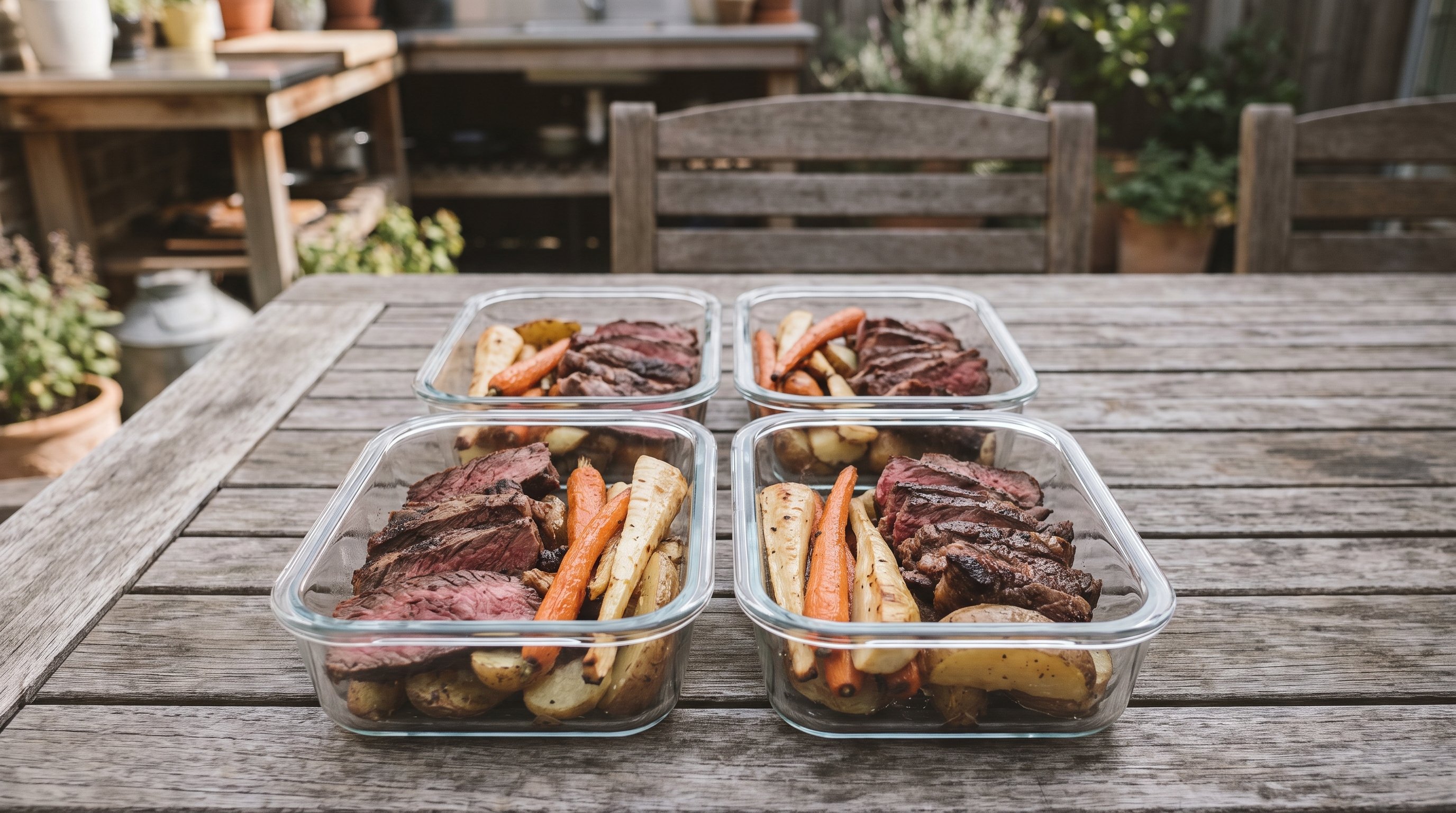
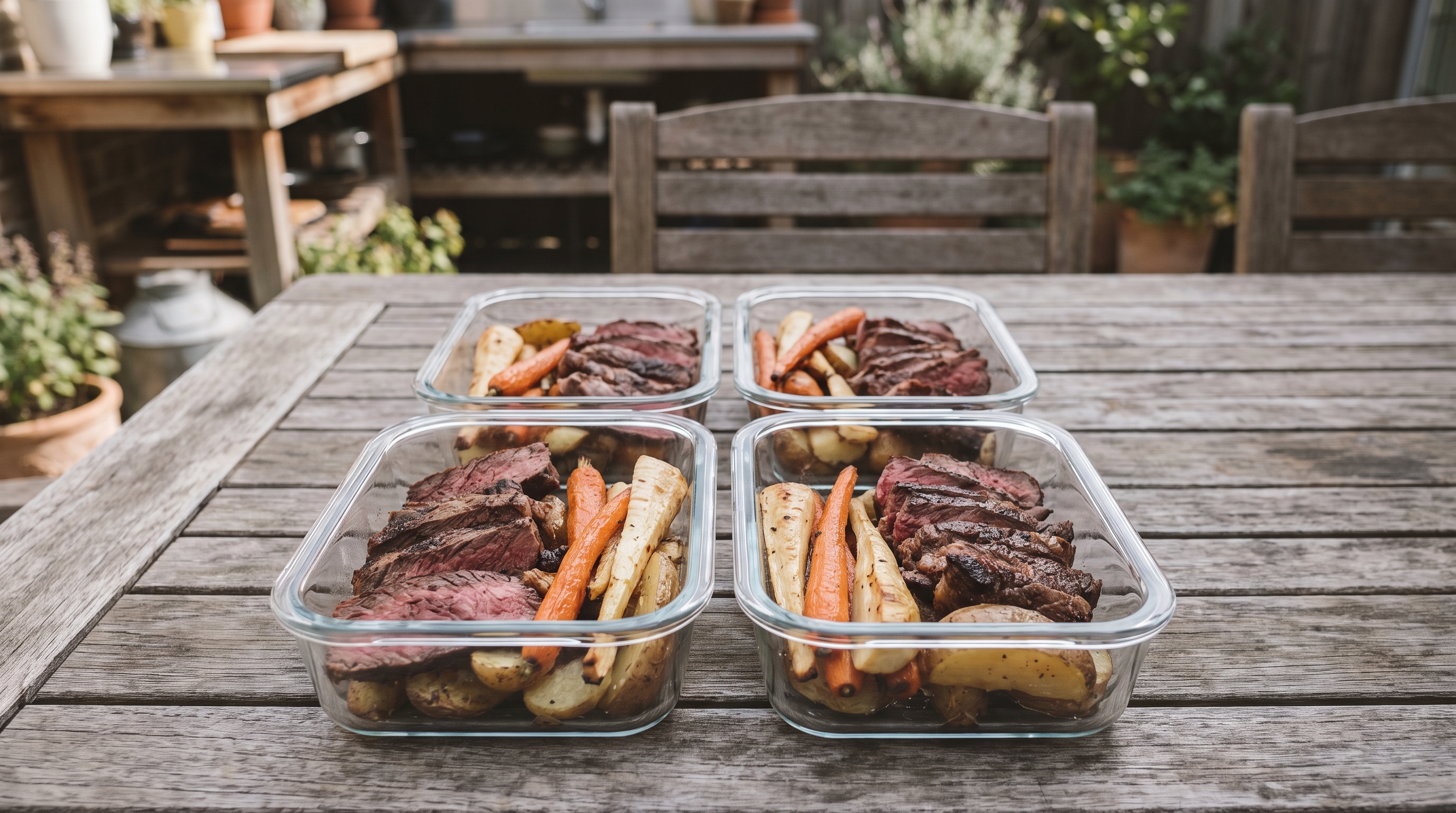
Meal prepping for the week means cooking your food in batches two or three times a week instead of once a day. Pick two cook sessions, make enough for several days each time, and store it in portioned containers.
It works because decisions are what wear people down, not cooking itself. When the food is already made, dinner becomes reheating, not deciding, shopping, chopping and cooking all over again.
This article covers what a realistic prep week looks like, how much to cook and how often, why batching beats daily cooking, and how to fit it into a week that already feels full.
What a Realistic Meal Prep Week Looks Like
Most people do not need seven days of food cooked on a Sunday. Two shorter sessions spread across the week keep food fresher and cut down on decision fatigue without turning one afternoon into a marathon.
A Workable Weekly Rhythm
- Sunday session - cook a large batch of protein, two vegetables, and a starch or extra vegetable for Monday to Wednesday
- Wednesday session - a shorter top-up cook for Thursday to Saturday, using whatever needs using up first
- Grab-and-go breakfasts - boiled eggs, pre-cooked bacon or sausage made once and portioned into daily containers
- One flexible night - Friday or Saturday left open for takeaway, leftovers or a simple fresh-cooked plate
- Sunday reset - fridge wiped down and containers washed before the next cook begins
How Much to Cook and How Often to Prep
Matching Batches to Your Week
The right amount depends on how many meals you actually eat away from home and how much fridge space is available. A good starting rule is to cook for three to four days at a time rather than a full week, since food quality and variety both hold up better over a shorter stretch.
| Prep Frequency | Typical Batch Size | Where It Keeps |
|---|---|---|
| Twice a week | 3-4 meals per batch | Fridge, 3-4 days |
| Once a week | 6-7 meals per batch | Freezer after day 3 |
| Daily top-up | 1-2 meals per cook | Fridge, next day |
| Protein-only batch | Enough for 5-6 meals | Fridge or freezer |
Protein usually holds up best as the thing you batch in bulk, since it reheats well and anchors most meals. Vegetables and sides can be cooked fresh or in smaller top-up batches if you prefer them less soft after reheating.
Why Batch Cooking Beats Cooking Every Single Night
Cooking from scratch every night sounds ideal in theory. In practice it means shopping more often, washing more dishes, and making a food decision at the exact moment you are most tired and least patient.

Batch cooking moves all those decisions to one or two calmer moments in the week. You shop once, cook once, and the rest of the week runs on momentum instead of willpower.
The food itself does not need to be different. The only thing that changes is when the effort happens, and that timing shift is what makes the habit stick past the first week.
Fitting Weekly Meal Prep Into a Full Schedule
The biggest barrier to meal prep is rarely the cooking itself, it is deciding what to cook before you have even opened the fridge. A set rotation of a few meals removes that step entirely, since you are not reinventing the plan every week.
This is where having a plan built around food you already like makes the difference between a habit and a one-off Sunday effort. A meal plan feature takes the weekly decision out of your hands by laying out what to cook and in what portions, so prep sessions become a checklist rather than a brainstorm.
Pairing that with a stocked recipe library means the rotation does not get boring after the second week, which is usually when people start skipping prep sessions altogether.
Adapting Weekly Meal Prep to Different Schedules
If You Are Just Starting Out
Start with one protein and two vegetables prepped twice a week rather than trying to plan every meal from day one. Keep the rotation small until the habit of cooking in batches feels normal, then add variety once the routine itself is not a chore.
If Your Week Is Already Packed
Shorter, more frequent batches work better than one long Sunday session when time is tight, since a 30-minute cook on two evenings is easier to protect than a three-hour block. Lean on simple preparations: grilled or pan-seared protein and roasted vegetables need little hands-on attention.
If You Are Cooking for One
Smaller batches stored in single-portion containers stop food going to waste and keep variety higher across the week. Freezing half of a batch as soon as it cools means there is always a backup meal without extra cooking.
If You Are Prepping for a Household
Cook the base protein and sides in bulk, then let each person add their own extras like sauces or a different vegetable. This keeps one prep session useful for several different eaters without cooking separate meals from scratch.
When Meal Prep Starts to Feel Normal
The first couple of weeks of meal prep usually feel like extra work, since you are learning container sizes, shopping lists and how long things actually keep. That adjustment period is normal and it is also where most people quit, right before the routine would have started saving them time.

Once the shopping list and rotation settle into something familiar, the weekly cook sessions tend to get shorter and more automatic. There is no fixed point at which this happens for everyone, but it is worth pushing through the clumsy early weeks rather than judging the habit by how session one felt.
Making Carnimeat Part of a Weekly Prep Routine
A good prep routine needs a plan that does not require a decision every time you open the fridge. Carnimeat's tailored meal plan lays out meals in advance, so your prep sessions follow a list instead of starting from a blank page each week.
With over 500 carnivore recipes to draw from, the weekly rotation can change without adding planning time, since the recipes are already there to swap in. Progress tracking for water, weight and steps sits alongside the meal plan too, so the habit you are building covers more than just what is in the containers.
Power Your Body Daily
Build Strength With Food
Keeping Weekly Food Prep Going Past the First Month
The habit that lasts is the one with the least friction, not the one with the fanciest containers or the longest Sunday session. Pick two cook days, keep the rotation small enough to repeat without boredom, and let it run on autopilot once it is set.
If the planning part is what keeps derailing the habit, a structured meal plan can take that decision off your plate so the only job left is the cooking itself.
FAQ
It shifts time rather than removing it, trading several short daily decisions for one or two longer cook sessions. Once the rotation is familiar, the total hands-on time usually drops because shopping and cleanup happen less often.
Reheated protein and firmer vegetables generally hold up well, though anything meant to be crisp is better cooked fresh on the day. Choosing recipes that reheat well, rather than forcing every dish into a container, keeps the quality high.
Smaller, more frequent batches solve most space problems, since you are storing three or four days of food instead of a full week at once. A couple of flat stackable containers also free up more room than bulky round ones.
Rotating two or three proteins and swapping the vegetable or seasoning each week keeps meals from feeling identical. Carnimeat's recipe library gives you a large pool to pull fresh combinations from, so the rotation changes without adding extra planning time.
Share this post