Low Impact Workout: A Practical Guide
By:Author:Carnimeat Editorial
Updated on:October 17, 2026
- Does a Low Impact Workout Actually Build Fitness?
- Low Impact Training Versus High Impact Cardio
- Why Gentler Training Keeps People Showing Up
- Matching Low Impact Moves to Your Situation
- Making Low Impact Training Work on Busy Days
- The Myth That Gentle Workouts Target Problem Areas
- Pairing a Low Impact Workout Plan With Carnimeat
- Turning a Gentle Routine Into a Lasting Habit
A low impact workout is any movement where at least one foot stays on the ground, which means less jarring on joints and tendons while still working the heart and muscles.
The mechanism is simple: you lower the force each step or rep sends through your joints, but you keep the muscle under tension long enough to build or maintain strength and keep your heart rate up.
This guide covers whether low impact training actually works, how it stacks up against higher impact options, who it suits, and how to fit it into a week that already feels full.
Does a Low Impact Workout Actually Build Fitness?
Fitness improves when you repeatedly ask muscles and your cardiovascular system to work harder than they're used to, then let them recover.
Low impact training does this through longer sets, added resistance, or sustained movement instead of jumping or pounding.
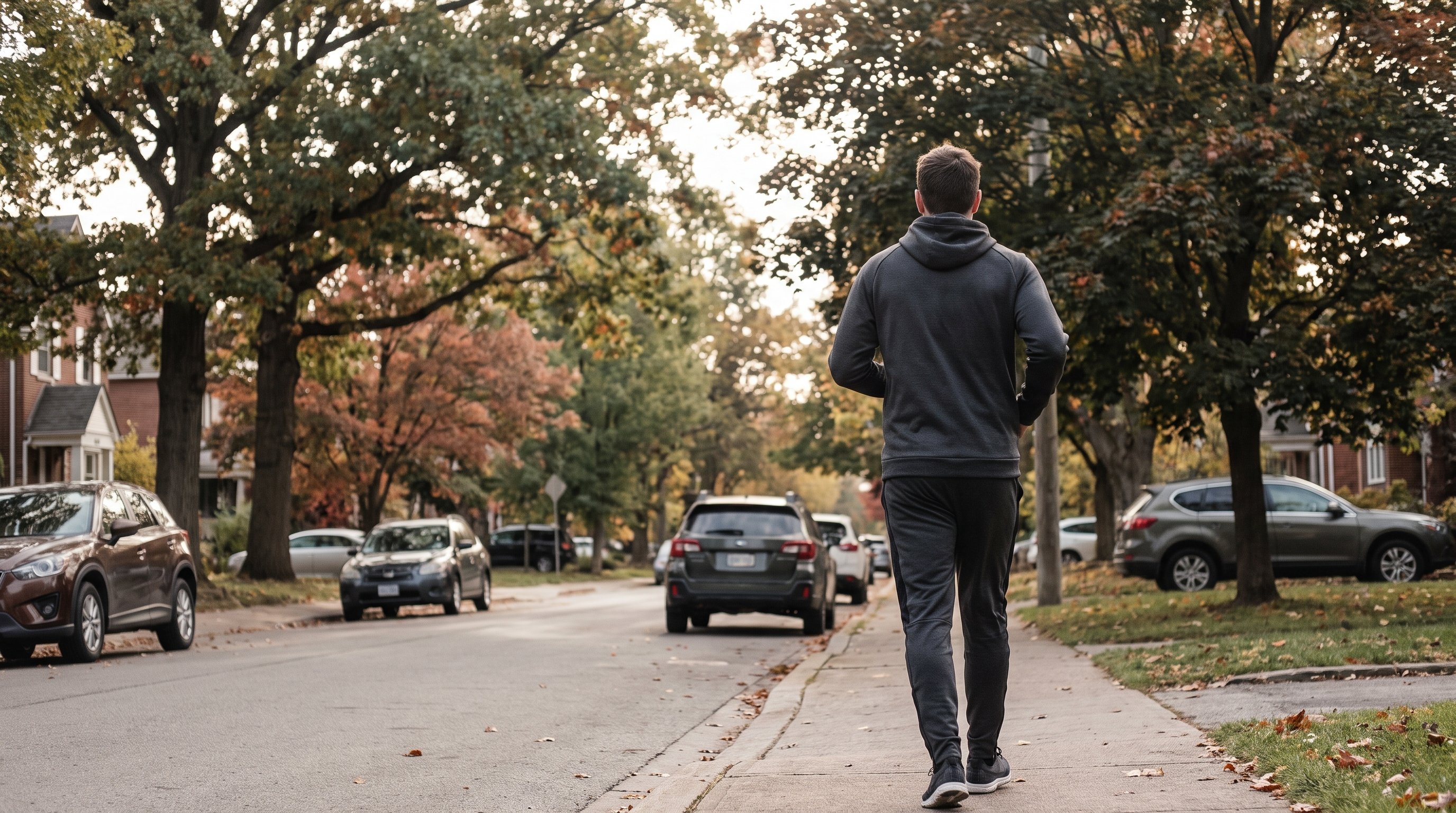
Take a simple example: a 30-minute brisk walk at a pace that raises your breathing rate still asks your heart and lungs to work, step after step, for the full half hour.
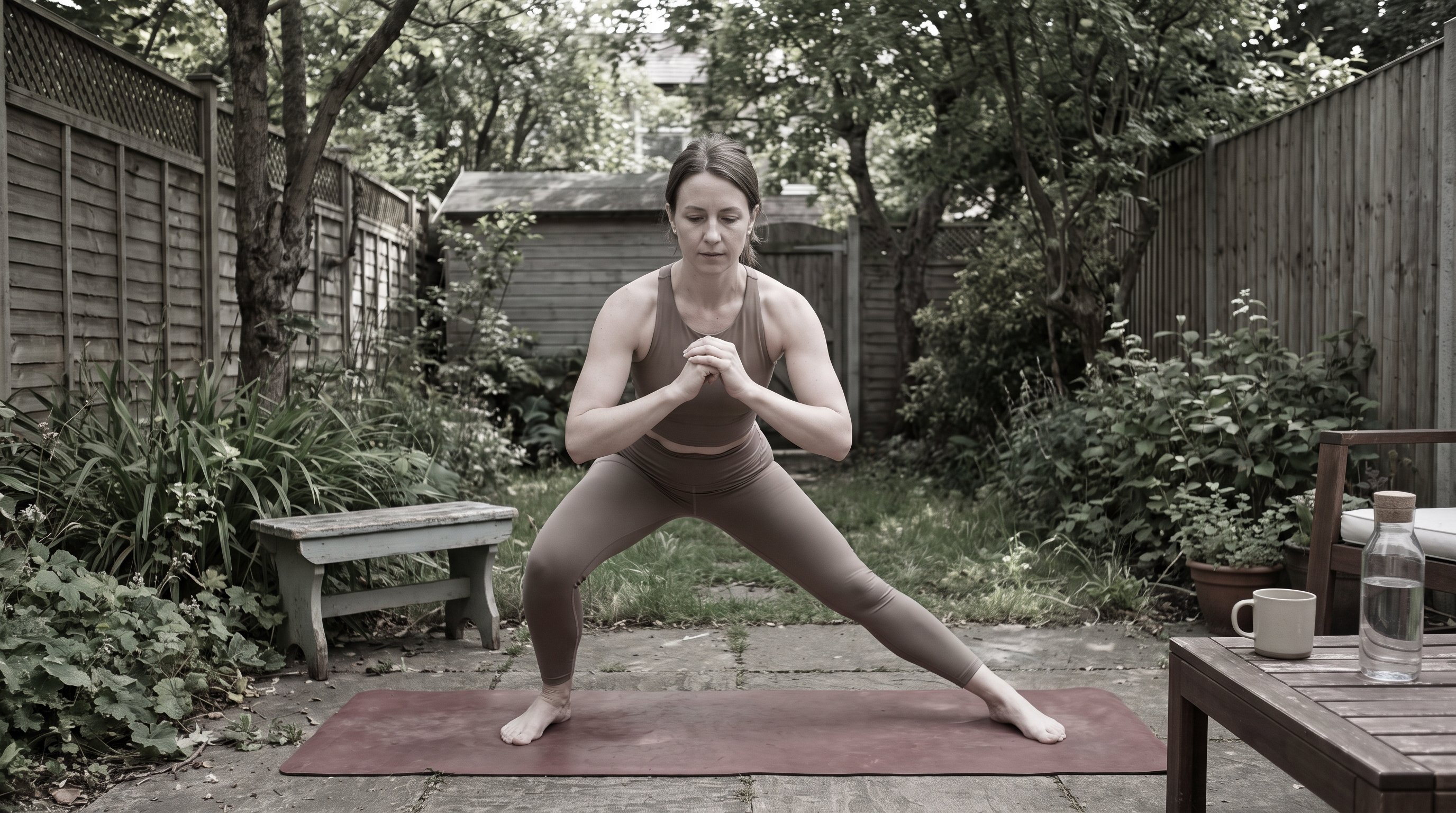
A bodyweight squat held for a slow three-second descent puts just as much time under tension on the quads as a quick jump squat, without the landing force.
The arithmetic is straightforward: more total minutes of effort, or more resistance per rep, equals more adaptation, regardless of whether your feet ever leave the floor.
Low Impact Training Versus High Impact Cardio
Most people choosing a workout style are really weighing low impact training against high impact cardio like running or jump-based classes.
Both can raise your heart rate and burn through stored energy; the difference sits mostly in joint stress and how long you can keep doing either one.
| Factor | Low Impact | High Impact |
|---|---|---|
| Joint stress | Minimal, one foot grounded | Higher, repeated landings |
| Entry point | Easy for most fitness levels | Needs some base fitness |
| Session length | Often 20 to 45 minutes | Often 15 to 30 minutes |
| Recovery time | Usually shorter | Can be longer |
| Common examples | Walking, cycling, swimming | Running, jump rope, HIIT |
Neither column is objectively better; the right pick depends on your joints, your schedule, and how much recovery you can actually afford this week.
Why Gentler Training Keeps People Showing Up
A workout only works if you keep doing it, and that's where low impact training tends to win out over harder, higher impact routines.
Running five days in a row can leave shins and knees sore enough that session six gets skipped entirely.
Walking, cycling, or a slow strength circuit five days in a row rarely produces that same wall, so the fifth and sixth sessions actually happen.
Five low impact sessions a week beats three high impact sessions cut short by sore joints, simply because five sessions of effort add up to more total work over a month.
Consistency is unglamorous and it wins anyway, and low impact training is built around making that consistency easier to hold.
Matching Low Impact Moves to Your Situation
Starting From Zero
If you haven't trained in a while, start with walking and basic bodyweight moves like wall push-ups and sit-to-stands; the goal is building a habit, not intensity.
Short on Time
Two 15-minute blocks, one in the morning and one in the evening, add up to the same 30 minutes as a single session and often fit a packed day more easily.
Managing Joint Discomfort
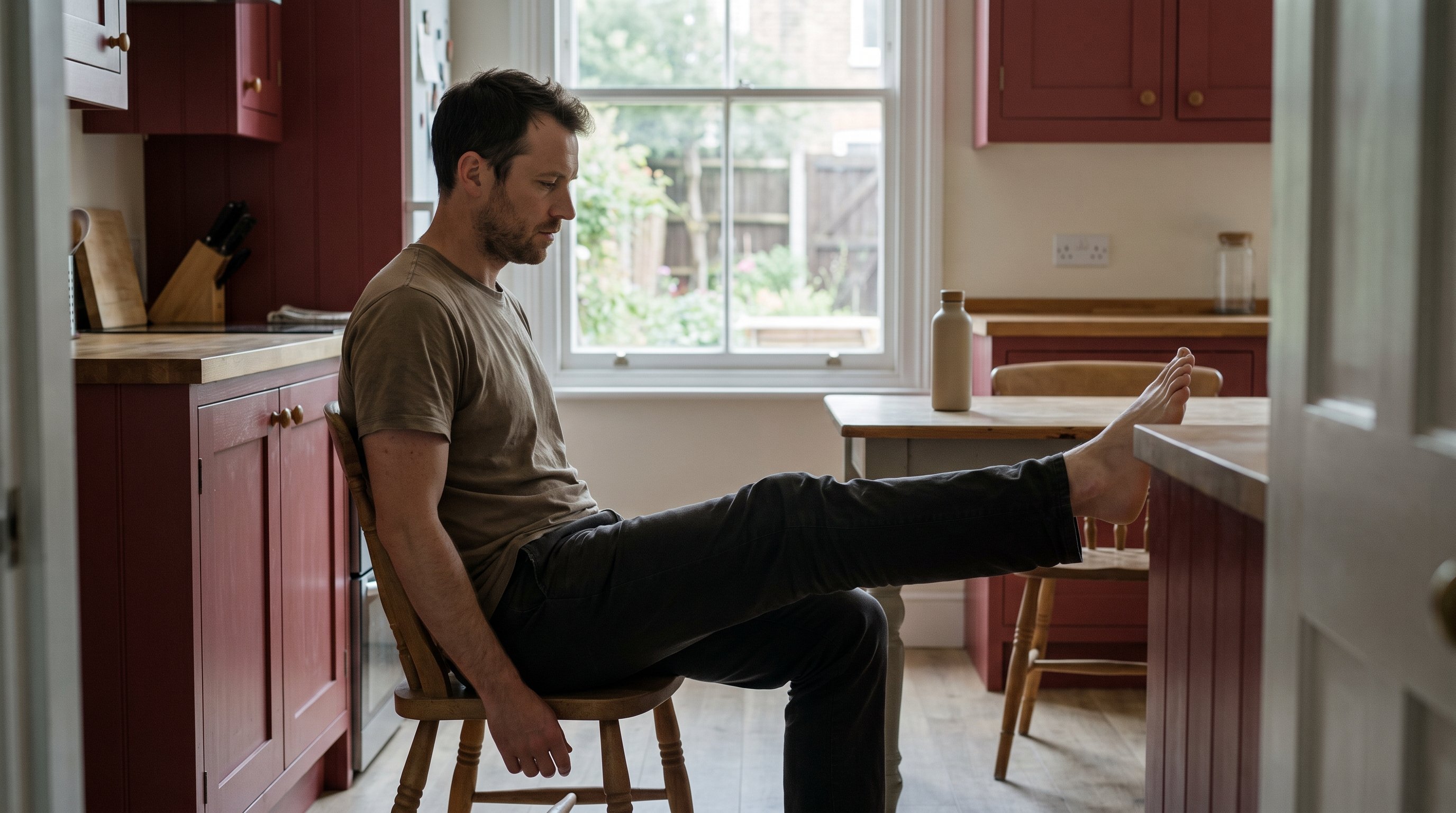
Swimming, cycling, and seated resistance work keep load off painful joints while still working the surrounding muscles.
Training Around an Injury
Upper body circuits, controlled stretching, and short walks let you keep moving while a lower-body issue settles, without adding fresh stress to the area.
Making Low Impact Training Work on Busy Days
The easiest way to keep a low impact routine going is to attach it to something you already do, a lunch walk, a stretch before bed, a short cycle instead of a drive.
Keeping track of sessions matters more than the intensity of any single one, since a routine you can see builds its own momentum.
This is where having steps, water intake, and weight logged in one place through a health app helps you notice the pattern forming instead of guessing at it.
A library of guided workouts also means you're not stuck repeating the same three moves out of habit, which keeps a low impact plan interesting enough to stick with.
The Myth That Gentle Workouts Target Problem Areas
A common hope is that a certain low impact move, like side leg lifts or a specific ab circuit, will shrink fat from one exact spot.
The body doesn't work that way: where fat is stored and where it's used for energy are controlled by factors you can't aim a single exercise at.
Training a muscle makes that muscle stronger underneath whatever fat sits above it, but it doesn't pull fat from that specific area first.
The honest answer is that consistent movement across your whole body, paired with food that supports a sustainable deficit, is what moves the needle over time, not which exercise you picked.
Pairing a Low Impact Workout Plan With Carnimeat
Training gently is only half the equation; what you eat around those sessions decides whether the effort compounds or just maintains where you already are.
Carnimeat brings a meal plan built around food you already like together with a library of over 100 workouts and exercises, so low impact sessions fit the same structure as your meals.
Over 500 carnivore recipes mean your meals stay varied while the workout side stays low effort to plan, and progress tracking for steps, water, and weight keeps the whole picture in one app.
Nutrition and health guides written by nutrition experts, personal trainers, and psychologists sit alongside the workouts, so you're not piecing advice together from five different places.
Power Your Body Daily
Build Strength With Food
Turning a Gentle Routine Into a Lasting Habit
Pick one low impact session you can do today, a 20-minute walk, a slow bodyweight circuit, or a short swim, and treat it as the first entry in a pattern rather than a one-off.
A health tracking app can hold the tracking and the meal side steady while you build that pattern, so the only thing left to decide each day is when, not whether.
FAQ
It can support a deficit by burning energy and preserving muscle, but the deficit itself comes from the balance between what you eat and what you use. No single workout style guarantees a number on the scale by any given date.
No, it's a different route to the same cardiovascular demand, built around longer duration or added resistance instead of impact force. A 45-minute brisk walk can ask as much of your heart as a shorter, harder run.
Swap the move for one with even less range or load, like seated exercises or water-based movement, rather than pushing through discomfort. A professional assessment is outside what this guide can answer.
Usually because progress feels invisible without any tracking, so the routine quietly fades once life gets busy. Logging sessions and simple numbers through Carnimeat keeps the pattern visible enough to protect.
Share this post