Walking for Weight Loss: Practical Daily Steps That Beat Gym Plans
By:Author:Carnimeat Editorial
Updated on:October 17, 2026
- The Myth That Walking Targets Belly Fat
- How Daily Steps Actually Create a Deficit
- What Actually Moves the Needle on Walking Results
- A Sample Week Built Around Daily Steps
- Making Walking Fit Around a Packed Schedule
- When a Walking Habit Starts Paying Off
- Mistakes That Quietly Sabotage a Walking Routine
- Pairing Daily Steps With Carnimeat
- Turning a Daily Walk Into a Habit That Sticks
Walking for weight loss works because it creates a calorie deficit you can actually sustain, not because walking is magic on its own. It burns energy, adds up across a day without wrecking your joints or your schedule, and it's something almost anyone can do starting today.
The mechanism is simple arithmetic: energy out has to exceed energy in, and walking is one of the easiest ways to raise energy out without needing recovery days or equipment.
This article covers the myth around walking off a specific body part, how the deficit actually forms, what changes the result, a sample week, how it fits into a real schedule, and the mistakes that quietly stall people out.
The Myth That Walking Targets Belly Fat
A lot of people start walking hoping it will shrink one specific area first, usually the stomach. That's not how the body works.
Fat loss happens across the whole body based on genetics and overall energy balance, not based on which muscles did the moving. Walking burns calories from wherever your body chooses to pull them, and you don't get to pick the order.
The honest version is less exciting but more useful: walking contributes to an overall deficit, and that deficit is what eventually changes your weight, spread across your whole frame rather than one area.
How Daily Steps Actually Create a Deficit
Walking doesn't need to feel hard to matter. It works through two simple levers that stack on top of each other across a normal day.
Energy Expenditure Adds Up Quietly
Every step burns a small amount of energy, and because walking doesn't leave you wiped out, you can do a lot of it without eating more to compensate. That's the quiet advantage over harder workouts that spike your appetite.
Consistency Beats Intensity Over Time
A 30-minute walk every day adds up to far more total movement across a month than a single hard session you only manage once a week. The deficit comes from the sum of all your days, not from any one standout effort.
What Actually Moves the Needle on Walking Results
Not every walking habit produces the same result. These three factors matter more than how fast you walk or what shoes you wear.
Factors That Change Your Result
- Total daily volume - how many steps you rack up across the whole day matters more than any single walking session.
- What you eat around it - walking creates the deficit space, but food choices decide whether that space actually gets used.
- How often you keep showing up - a routine you repeat most days beats an ambitious one you abandon after a week.
A Sample Week Built Around Daily Steps
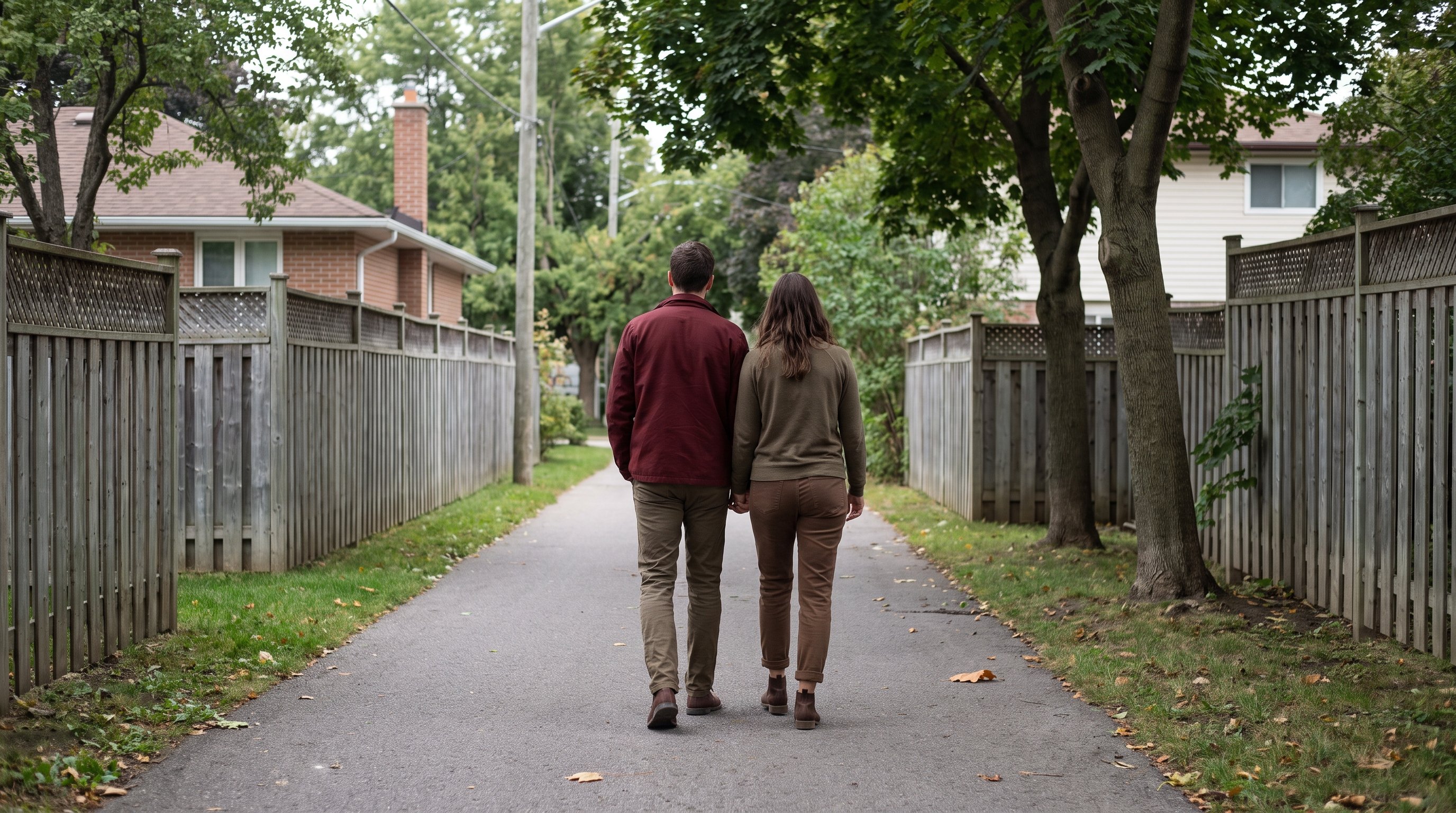
Here's a realistic week that uses walking as the base layer, not the only thing you do. It's built to fit around work rather than take it over.
| Day | Activity |
|---|---|
| Monday | Morning walk, 20 min |
| Tuesday | Walking commute, both ways |
| Wednesday | Lunch walk, 15 min |
| Thursday | Evening walk, 25 min |
| Friday | Walking commute, both ways |
| Saturday | Longer walk, 40 min |
Sunday is left open on purpose, either for rest or a casual stroll if you feel like it. The point isn't a perfect streak, it's a pattern you can repeat most weeks.
Making Walking Fit Around a Packed Schedule
The biggest obstacle to walking for weight loss usually isn't motivation, it's finding the minutes. Breaking it into smaller chunks across the day solves most of that.
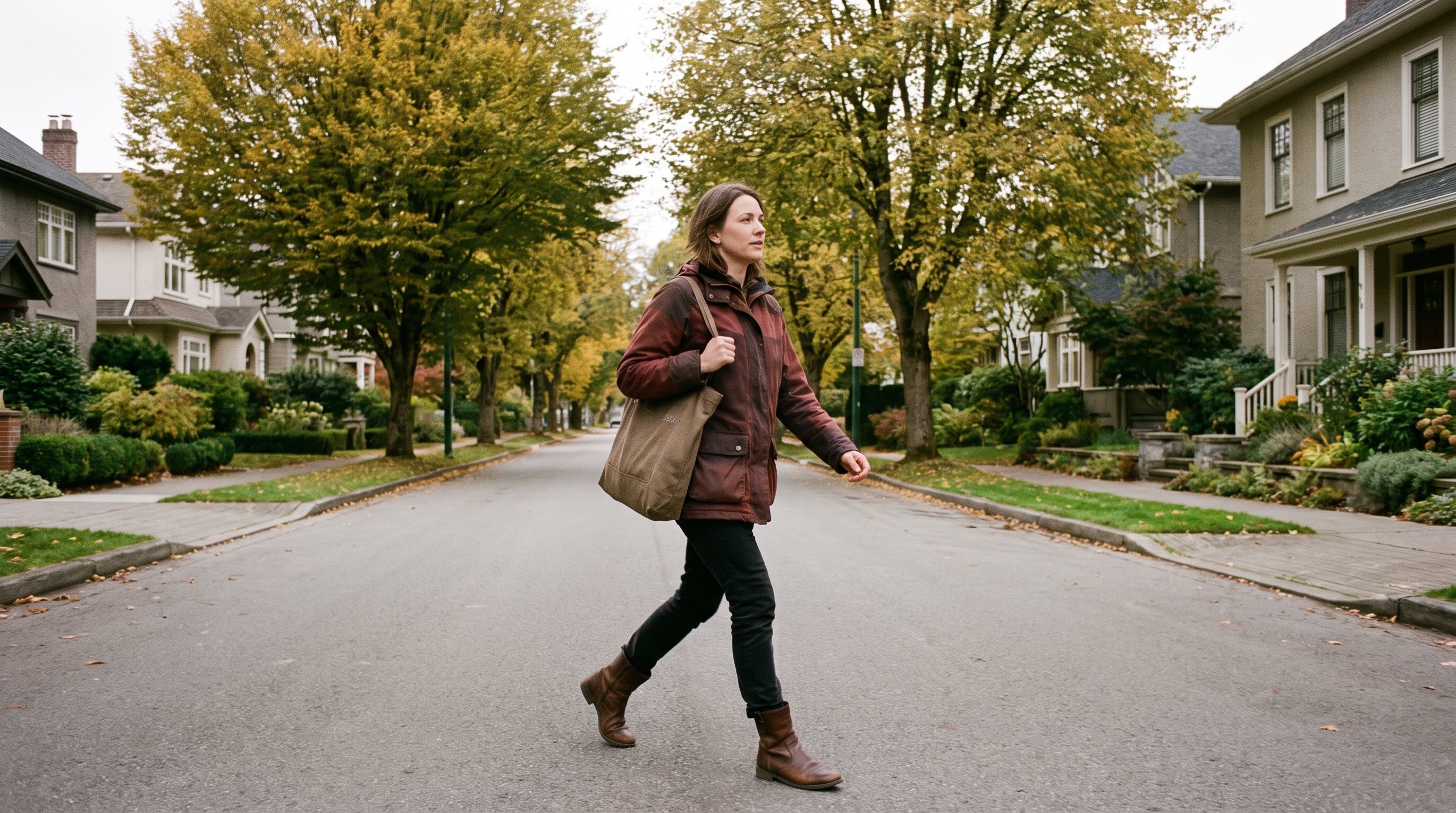
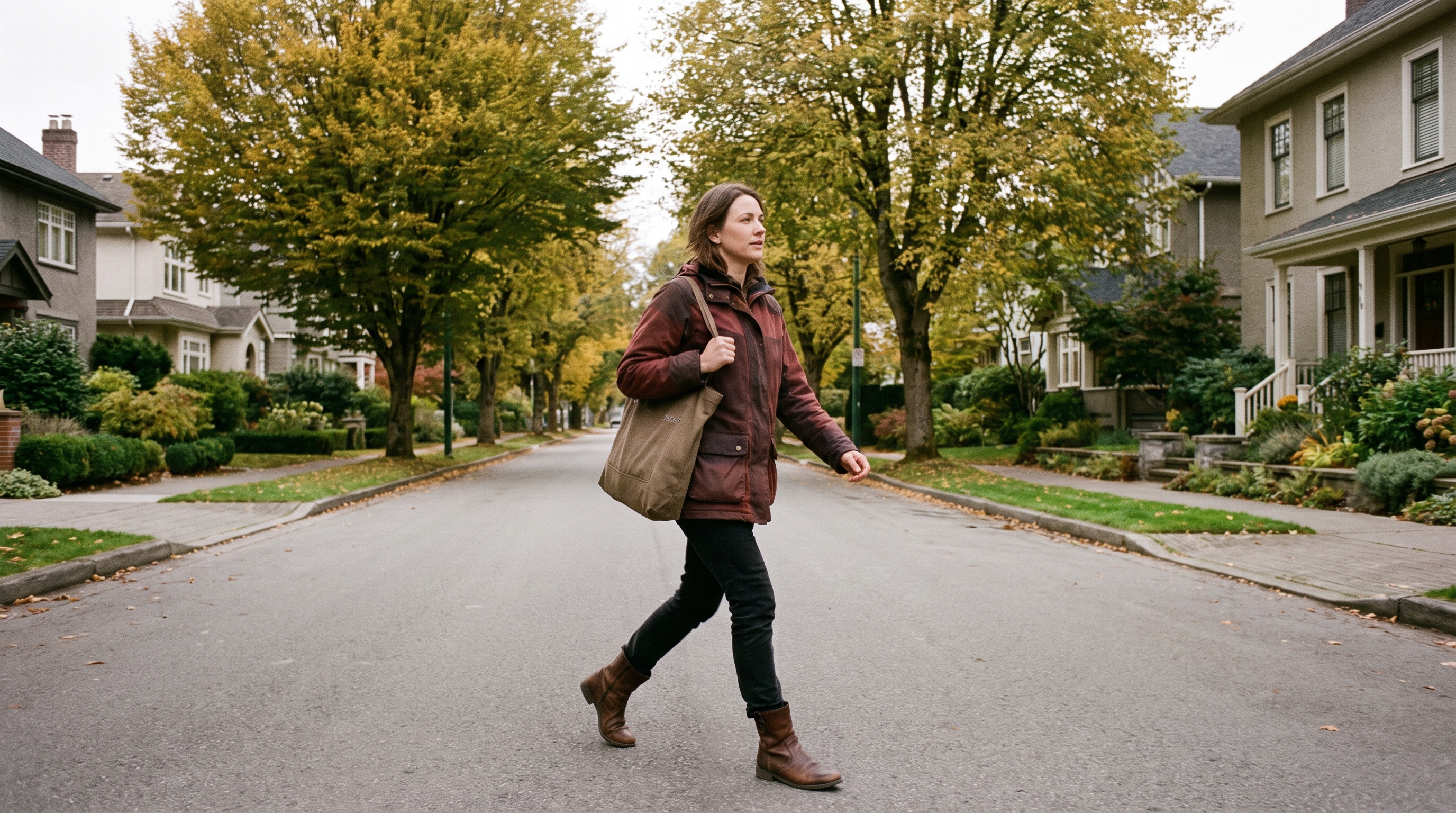
A walk to get coffee, a lap of the block on a call, parking further from the entrance - none of these feel like exercise, but they all count toward the same total.
A step counter sits alongside water, weight and fasting tracking in one place, so you can see your daily total build up without juggling separate apps or guessing where you stand.
When a Walking Habit Starts Paying Off
Early on, walking mostly just feels like walking. The scale doesn't move dramatically, and that's normal, not a sign it isn't working.
This is where most people quit, right around the point when the habit feels routine but the results still feel invisible. Stick with the pattern rather than the number on any single day.
Consistency is unglamorous and it wins anyway. Give the habit enough time to become automatic before judging whether it's working.
Mistakes That Quietly Sabotage a Walking Routine
Walking Hard Once Instead of Often
One intense walk on a Saturday doesn't make up for a sedentary week. Spread the activity across more days instead of saving it all for one big push.
Eating Back the Calories You Just Walked Off
A walk can create room in your day, but a large snack afterward can erase it just as fast. Keep meals roughly the same and let the walking add to the deficit, not just refill what you burned.
Chasing a Step Number Without Tracking Anything Else
Steps alone don't tell the full story if food and water intake go unmonitored. Keeping an eye on more than one number gives a clearer picture of what's actually moving.
Expecting Daily Scale Movement
Weight shifts day to day for reasons that have nothing to do with fat, including water and food volume. Check progress across weeks, not mornings.
Pairing Daily Steps With Carnimeat
Walking handles the movement side of the equation, but food is still the other half of the deficit. Carnimeat gives you a meal plan built around food you already like, so the eating side doesn't fight against the steps you're putting in.
Instead of guessing what to eat after a long walk, a customized meal plan lines up customized recipes and progress tracking in one app, so steps, meals and weight all sit in the same place.
Power Your Body Daily
Build Strength With Food
Turning a Daily Walk Into a Habit That Sticks
The simplest way to start is to pick one walk you can do today, even a short one, and repeat it tomorrow. Build from there rather than trying to overhaul your whole day at once.
A tracking app can hold the tracking side of that routine so the walking habit has something to measure itself against. Small, repeated steps beat a dramatic plan that only lasts a few days.
FAQ
Walking contributes to the overall calorie deficit that drives weight change, but what you eat still plays a large role. It works best as one part of a routine rather than the only thing you change.
Walking burns less per minute than harder exercise, but it's easier to repeat daily without burning out or getting hungrier. That repeatability is often what makes the total add up over time.
Breaking walks into smaller pieces across the day, like a commute or a lunch break stroll, avoids needing one big dedicated session. A step tracker helps keep tabs on how those small pieces add up across the day.
Most people quit right when the habit feels routine but the scale hasn't moved much yet, mistaking a quiet phase for no progress. Sticking with Carnimeat's pattern-tracking approach rather than judging it day by day is usually what gets people past that point.
Share this post