Bodyweight Exercises: A Practical Alternative to the Gym Routine
By:Author:Carnimeat Editorial
Updated on:October 17, 2026
- The Myth That You Need a Gym to Get Strong
- What Makes Bodyweight Training Actually Work
- What Actually Changes Your Bodyweight Results
- A Sample Week of Bodyweight Training
- Making Bodyweight Training Fit a Busy Week
- When Bodyweight Progress Tends to Show Up
- Mistakes That Stall Bodyweight Progress
- Pairing Bodyweight Exercises With Carnimeat
- Building a Routine That Actually Sticks
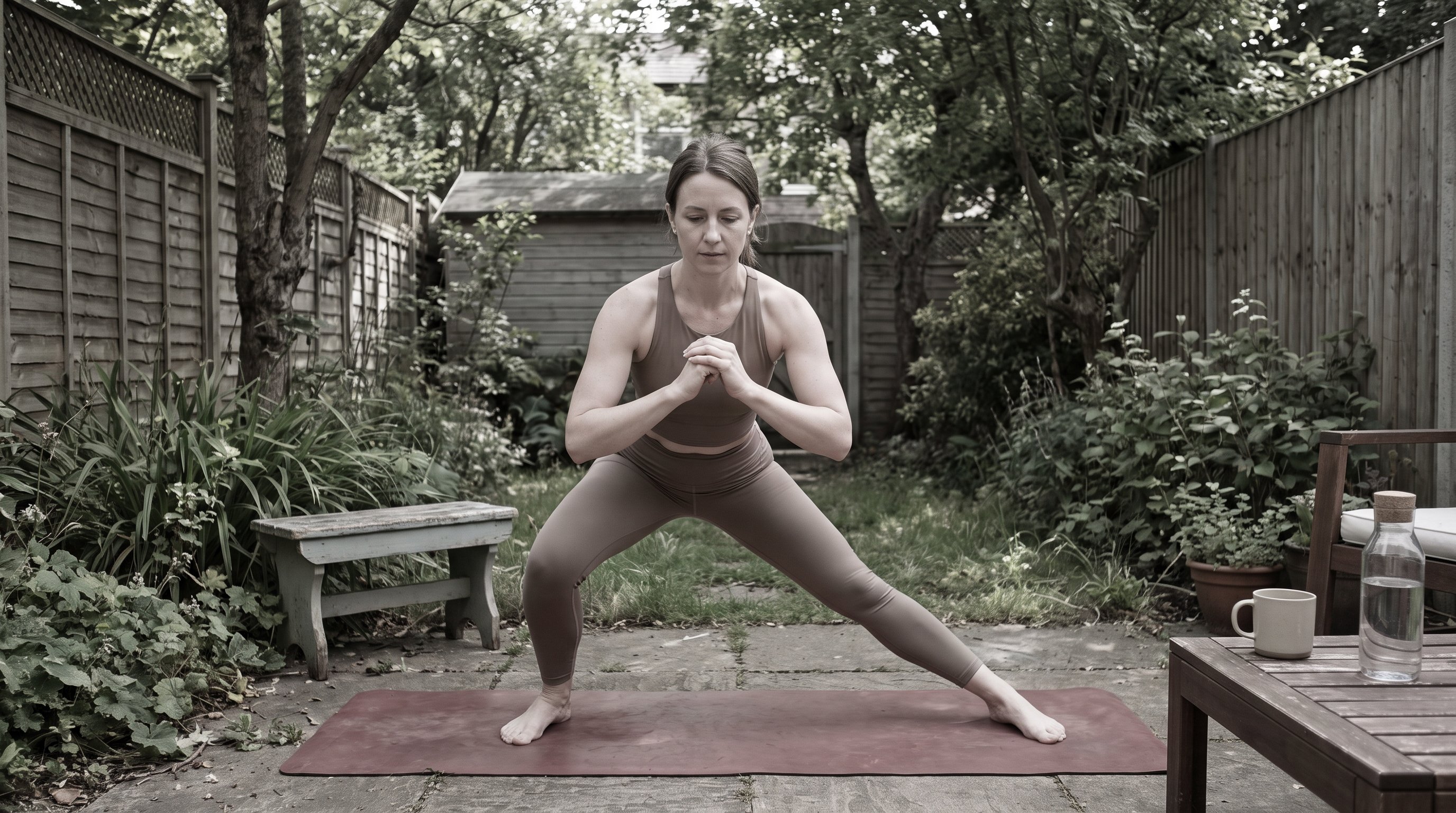
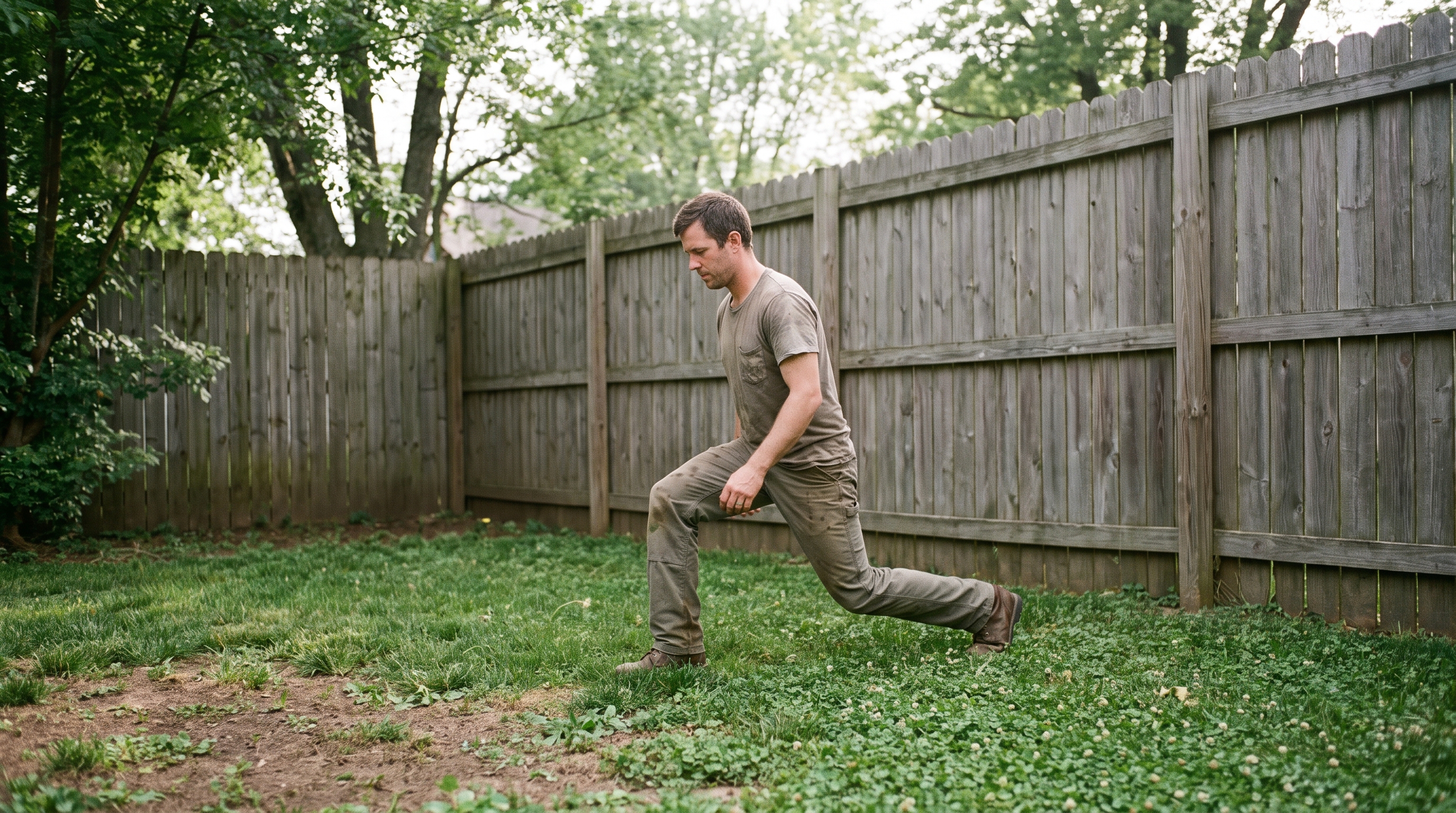
Bodyweight exercises build real strength because your own weight is enough resistance to challenge a muscle when you control the angle, the tempo and the range of motion.
A muscle does not know whether the resistance pulling on it is a barbell or a bent elbow holding up your chest. It only responds to tension, and a press-up or a squat creates plenty of that.
This guide covers how bodyweight training actually works, what changes the results you get, a sample week, where people tend to quit, and the mistakes worth avoiding from the start.
The Myth That You Need a Gym to Get Strong
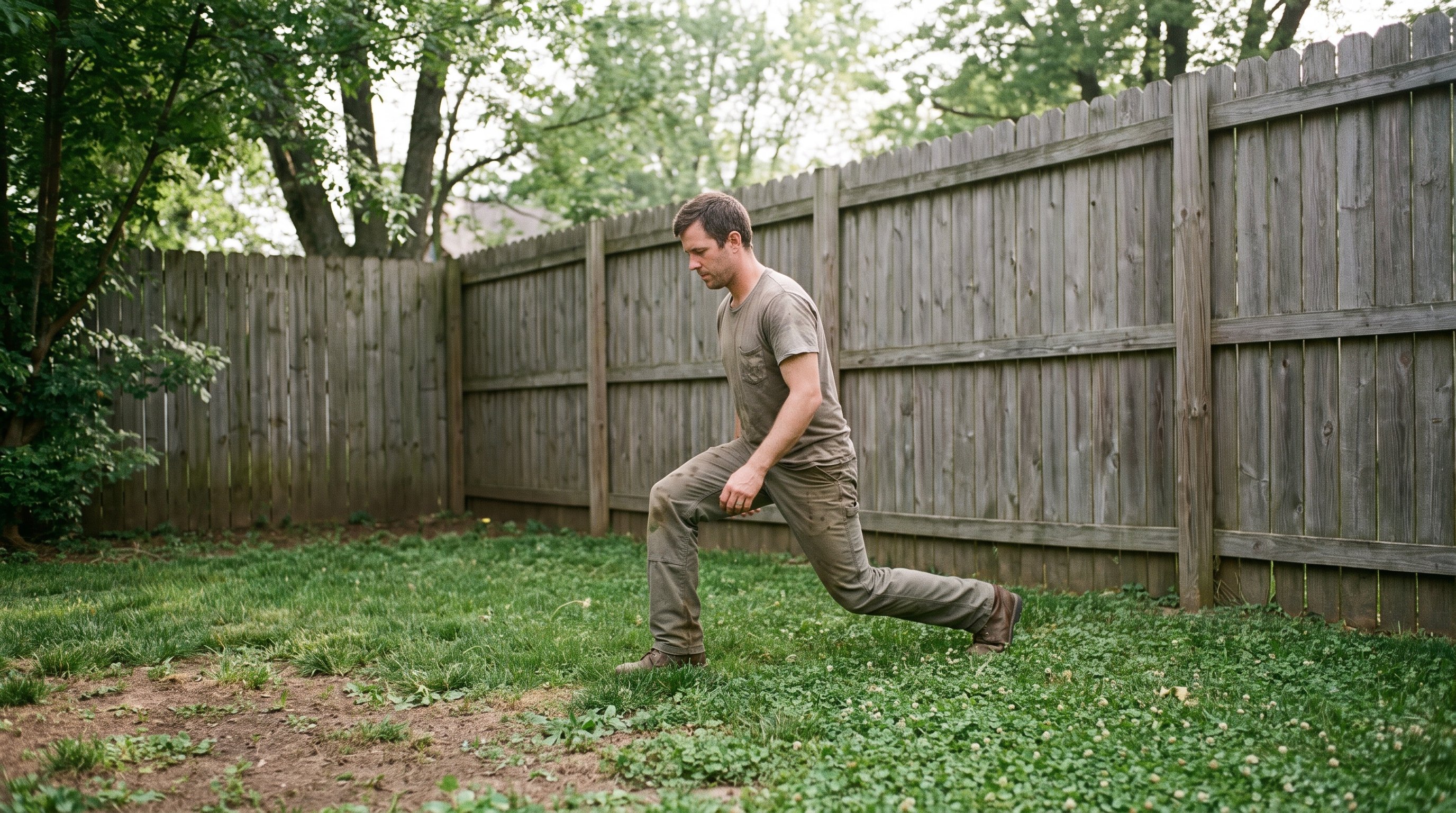
The idea that real strength only comes from a gym full of machines is just not accurate. Muscles respond to being loaded close to their limit, and bodyweight movements can absolutely do that.
A single-leg squat, a slow press-up or a hanging hold can tax a muscle just as hard as a loaded bar, because difficulty comes from leverage and control, not from a metal plate.
The honest answer: a gym gives you convenient ways to add load, but it is not the only way to get there. Bodyweight training gets you to the same place through different mechanics.
What Makes Bodyweight Training Actually Work
Two things decide whether bodyweight exercise builds strength: how close you push a muscle to fatigue, and whether you give it a reason to adapt over time.
Leverage Does the Job of a Weight Rack
Changing your body angle changes how much of your weight a muscle has to move - a push-up with feet raised asks more of your chest and shoulders than a standard one on the floor.
Progression Still Has to Happen
Once a movement gets easy, you need a harder variation, more reps, or a slower tempo, the same rule that applies to any form of strength training.
Put those two together and bodyweight training stops being a backup plan and starts being a legitimate method on its own.
What Actually Changes Your Bodyweight Results
Not every variable matters the same amount. These three carry most of the weight when it comes to whether bodyweight training pays off.
Factors That Move the Needle
- Movement difficulty - swapping a knee press-up for a full one, or a squat for a split squat, adds load without any equipment.
- Consistency across weeks - a routine done three times a week for a month beats a harder one done twice before it's abandoned.
- Recovery between sessions - muscles adapt in the rest periods, not during the set, so sleep and spacing out sessions matter as much as the reps.
A Sample Week of Bodyweight Training
Here's a simple weekly layout that covers the whole body without needing any kit at all.
| Day | Focus |
|---|---|
| Monday | Push - press-ups, dips on a chair |
| Tuesday | Legs - squats, lunges, calf raises |
| Wednesday | Rest or a walk |
| Thursday | Pull - rows on a table edge, planks |
| Friday | Full body circuit, moderate pace |
| Weekend | Rest, light stretching or a walk |
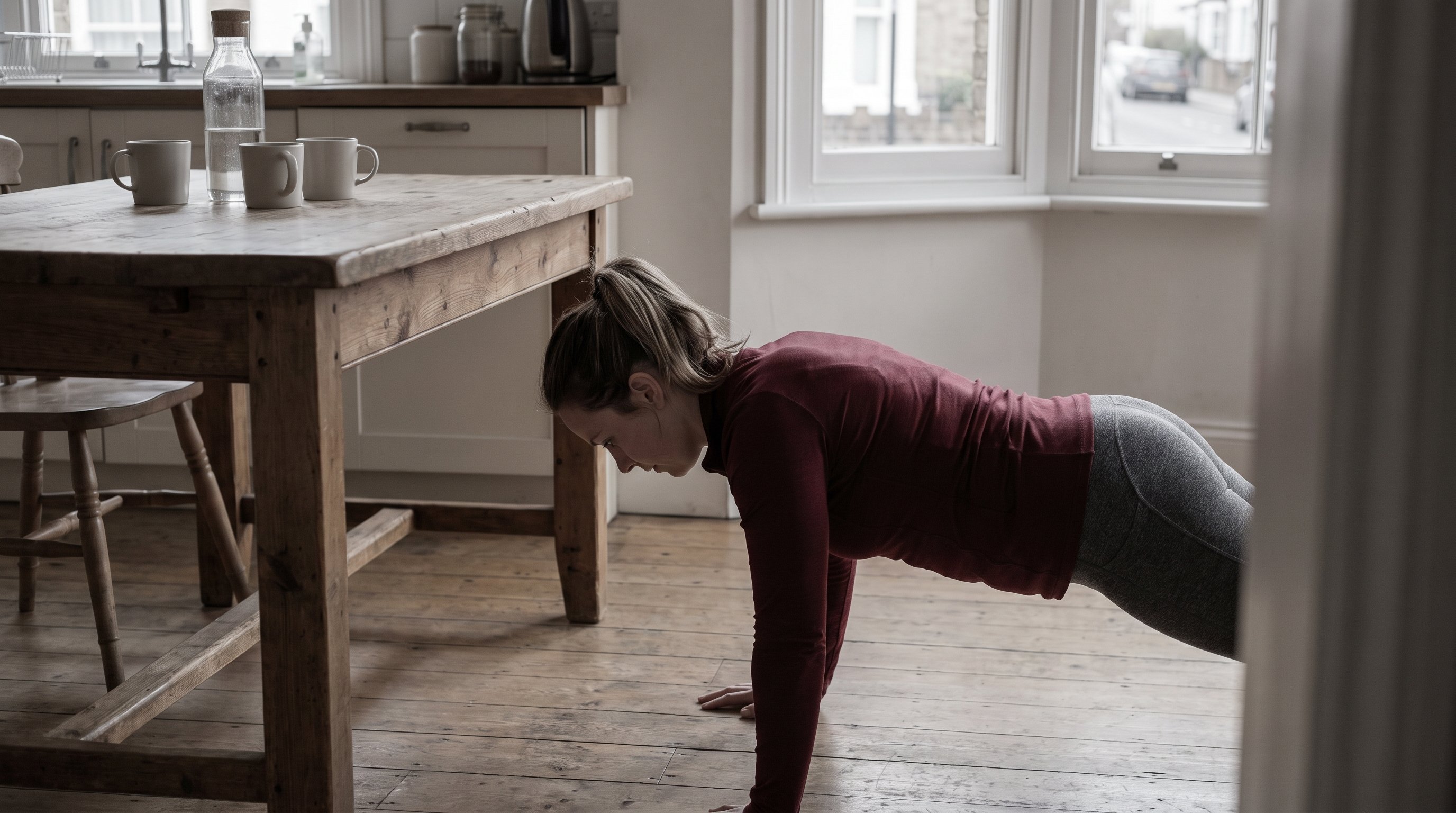
This is a starting template, not a rulebook - swap days around to fit a real schedule and it still works.
Making Bodyweight Training Fit a Busy Week
The biggest advantage of bodyweight exercise is logistics - no commute to a gym, no waiting for equipment, no membership to justify.
A living room floor, a sturdy chair and fifteen free minutes are enough to get a session done before the day gets away from you.
Keeping the rest of the picture simple helps too - a guided workout library inside Carnimeat gives you structured sessions to follow, so you're not guessing what to do each time you roll out a mat.
When Bodyweight Progress Tends to Show Up
Early sessions mostly teach your body how to do the movement properly - that's not wasted time, it's the groundwork everything else sits on.
Strength and control tend to build gradually over the following weeks, and the pace varies a lot from person to person depending on starting point and consistency.
Most people drop off around the point where novelty fades and the routine stops feeling new - that's exactly when sticking with a simple, repeatable plan matters most.
Mistakes That Stall Bodyweight Progress
Skipping the Harder Variation
Staying on an easy version of a move forever stops delivering results - once it feels light, step up to the next progression.
Rushing Through Reps
Fast, sloppy reps reduce how much tension a muscle actually feels - slowing the tempo down does more work with the same movement.

Training the Same Muscles Every Day
Hammering the same movement pattern daily leaves no time to recover - spacing out push, pull and leg days gives muscles room to adapt.
Ignoring Form for Speed
Cutting the range of motion short to do more reps looks productive but builds less strength - full range beats half range every time.
Pairing Bodyweight Exercises With Carnimeat
Bodyweight training handles the movement side of things, but what you eat still decides a lot of how recovery and energy feel day to day.
Carnimeat pairs a tailored meal plan with a library of over 100 workouts and exercises, so the eating side and the movement side are no longer two separate guessing games.
Progress tracking for steps, water and weight sits in the same place, which makes it easier to notice what's actually working instead of relying on memory.
Power Your Body Daily
Build Strength With Food
Building a Routine That Actually Sticks
The single most useful move right now is picking three days this week and writing down which bodyweight session happens on each one.
A written plan beats a vague intention every time, and Carnimeat's workout library takes the guesswork out of what each of those sessions should actually include.
FAQ
Yes, as long as the movement gets harder over time through leverage, reps or tempo. The muscle doesn't distinguish between a barbell and a difficult bodyweight angle.
Weights make adding load more convenient, but bodyweight exercises can reach the same intensity through harder variations. Neither approach is required to get a result, they're just different routes there.
Most bodyweight moves need a few square metres and a sturdy chair or wall at most. A hallway or a corner of a living room is usually enough.
That's the point most routines fall apart, so having a structure to follow instead of deciding fresh each day helps a lot. Carnimeat's challenges and tracking tools are built to keep that structure going when motivation alone isn't enough.
Share this post