Calisthenics for Beginners: A Realistic Routine That Beats the Gym
By:Author:Carnimeat Editorial
Updated on:October 17, 2026
- What a Beginner Calisthenics Week Actually Looks Like
- How Many Sets and Sessions Beginners Actually Need
- Why Bodyweight Training Beats a Confusing Gym Membership
- Fitting Calisthenics Around a Packed Weekly Schedule
- Adjusting a Calisthenics Routine to Fit Your Situation
- When Calisthenics Progress Tends to Show Up
- Pairing Beginner Calisthenics With Workout Tracking
- Starting Your First Calisthenics Session Today
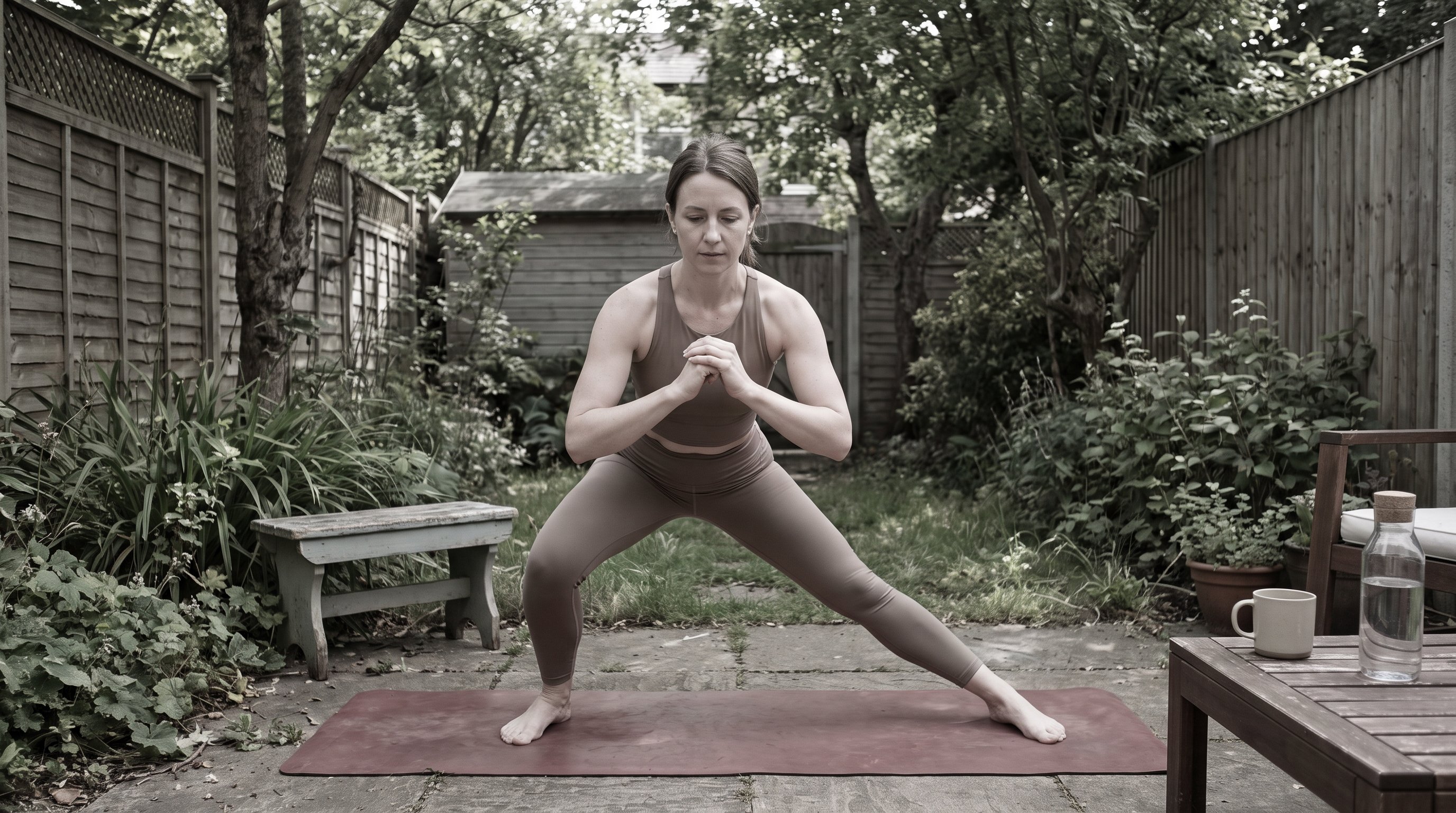
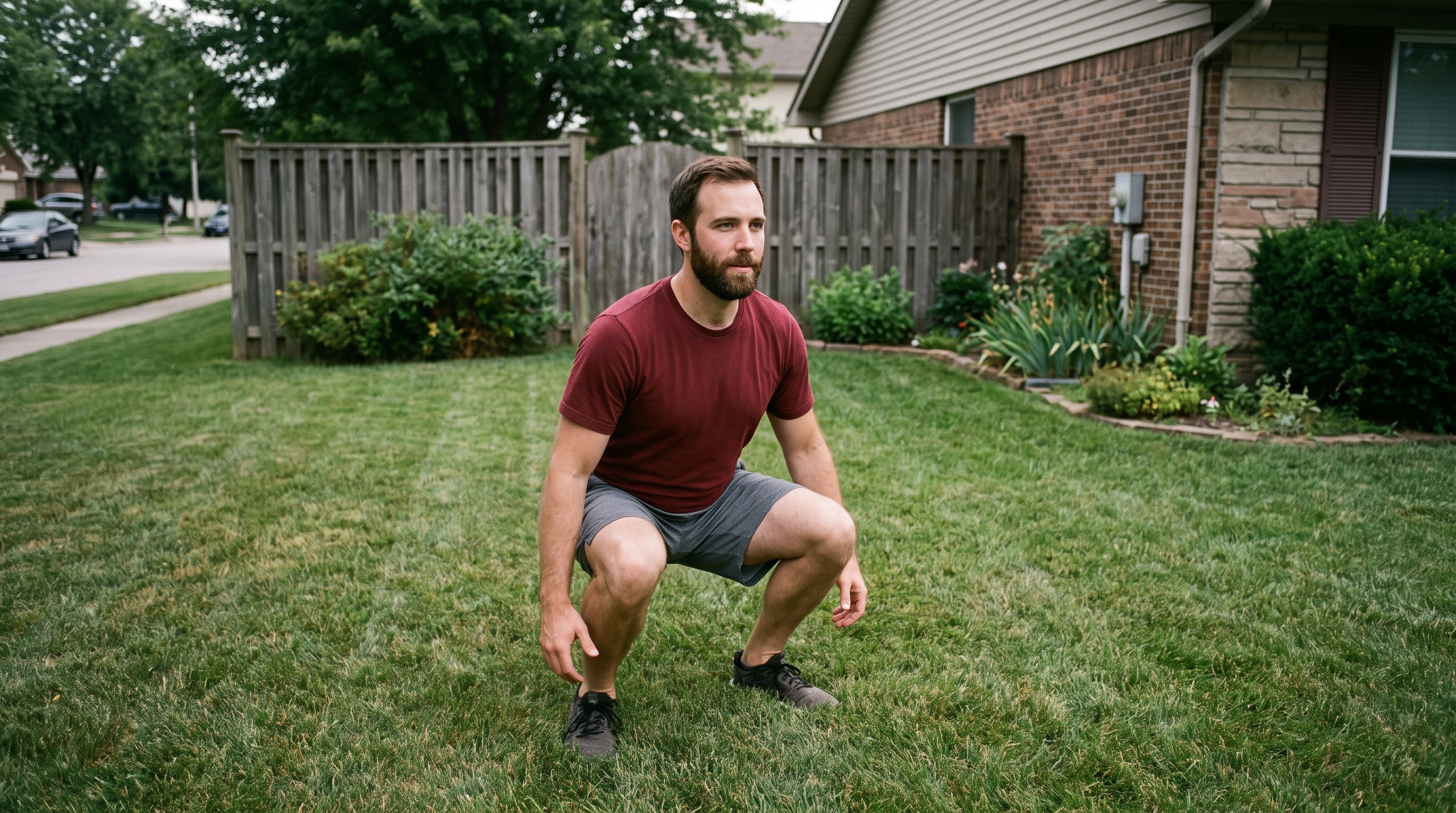
Calisthenics for beginners works because it uses your own bodyweight as resistance, so there's no equipment to buy and no gym membership to justify. You start with the basics - push ups, squats, planks, rows against a table or bar - and add reps or harder versions as you get stronger.
The mechanism is simple: muscles respond to being asked to do more than they're used to. Bodyweight movements can load a muscle just as effectively as a weighted one, provided the exercise is hard enough for your current level.
This guide covers a sample week, how much training actually makes sense, why this approach tends to stick better than a gym plan, and how to shape it around a real schedule.
What a Beginner Calisthenics Week Actually Looks Like
A realistic starting week doesn't need daily sessions. Three to four short workouts, spread with rest days between, gives muscles time to recover and adapt.
A Sample Beginner Week
- Monday - push ups, bodyweight squats, plank, 20 minutes total
- Tuesday - rest or a short walk
- Wednesday - rows on a table edge, lunges, glute bridges, 20 minutes total
- Thursday - rest
- Friday - push ups, squats, plank again, slightly more reps than Monday
- Saturday or Sunday - optional light session or rest
That's it. Two or three sessions a week, built around a handful of movements, covers chest, back, legs and core without needing a single machine.
How Many Sets and Sessions Beginners Actually Need
Finding a Starting Number
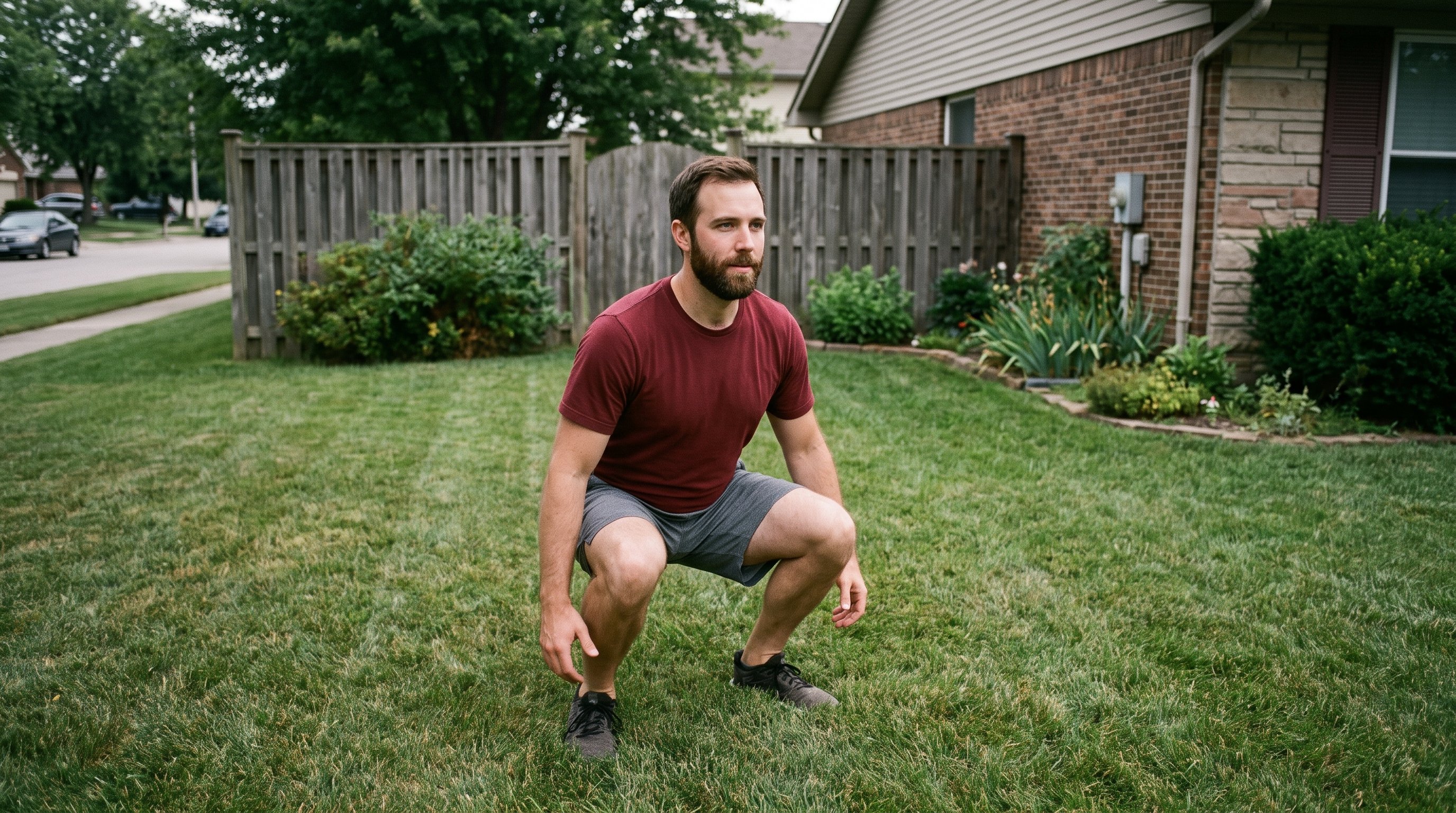
Most beginners do fine with two to three short sessions a week, two to three exercises per session, and two to three sets of each. That's a small enough commitment to repeat without dreading it, and enough to give muscles a reason to adapt.

| Stage | Sessions | Sets | Reps |
|---|---|---|---|
| Week 1-2 | 2 per week | 2 sets per move | As many as form allows |
| Week 3-4 | 3 per week | 2-3 sets per move | Add a few reps weekly |
| Week 5-8 | 3 per week | 3 sets per move | Try a harder variation |
| Ongoing | 3-4 per week | 3 sets per move | Mix reps and variations |
The exact numbers matter less than showing up on the days you've picked. A short consistent session beats a long one you only manage once.
Why Bodyweight Training Beats a Confusing Gym Membership
Compare two beginners: one signs up for a gym with rows of unfamiliar machines, the other does push ups and squats at home. The gym beginner has to learn equipment, plan travel time and often feels watched - all before the workout even starts.
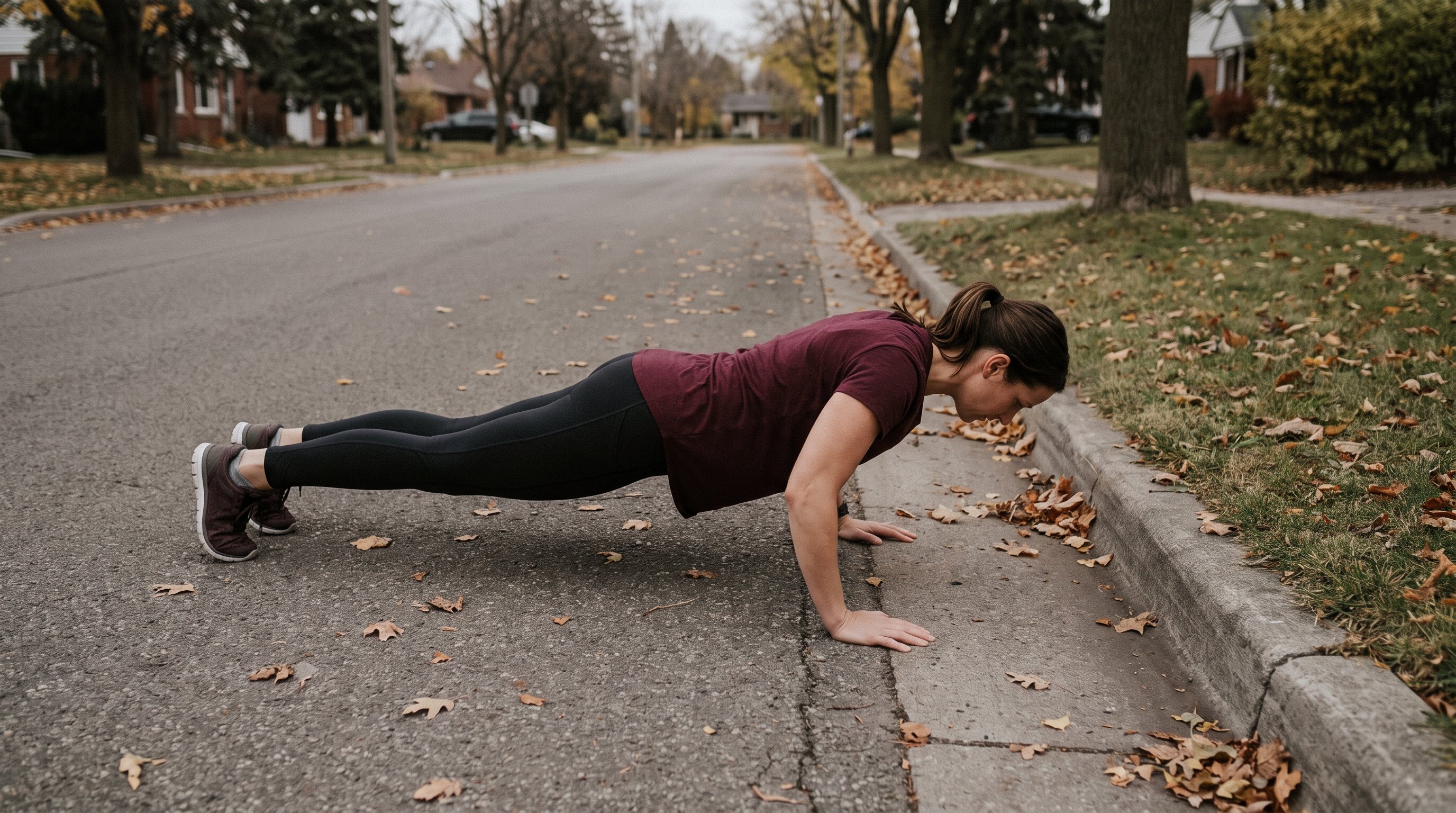
The home beginner just drops to the floor and starts. Fewer steps between deciding to train and actually training means fewer chances to talk yourself out of it.
Adherence beats intensity almost every time. A simple bodyweight routine you repeat for months will outperform an intense gym plan you quit after three weeks, purely because repetition is what drives change.
Fitting Calisthenics Around a Packed Weekly Schedule
The best time to train is whatever time you'll actually protect. Before work, during a lunch break, or right after you get home - pick the slot least likely to get swallowed by something else.
Training also sits alongside what you eat, and that's where most beginners lose momentum without noticing. A meal plan built around food you already like removes one more decision from a busy day, which matters when willpower is already stretched thin by a new workout habit.
A nutrition app pairs that kind of meal structure with a library of workouts and simple progress tracking, so the eating side and the training side don't feel like two separate projects competing for attention.
Adjusting a Calisthenics Routine to Fit Your Situation
Complete Beginner
Start with easier versions of each move - push ups against a wall or counter, squats to a chair - and focus on learning the shape of the movement. Reps and difficulty can climb once the basic pattern feels natural.
Busy Schedule
Two sessions a week of 15 minutes each still counts as real training. Short and repeated beats long and occasional.
Older Beginner
Lean on supported versions of exercises - a chair for squats, an incline for push ups - and build up gradually rather than chasing the hardest variation early. The goal is steady movement you can keep doing, not a personal record.
Returning After a Break
Treat the first couple of weeks like you're starting fresh, even if you used to do more. Picking up where you left off is the fastest route to soreness that makes you quit again.
When Calisthenics Progress Tends to Show Up
The first few sessions often feel awkward - unfamiliar movements, muscles that haven't been asked to work this way before. That's normal and it passes.
Many people notice workouts starting to feel more manageable somewhere in the first couple of months, as reps that felt hard start to feel doable. This is also around when a lot of beginners quit, usually because they expected a faster, more obvious shift.
Staying vague about the exact timeline isn't a dodge - it genuinely varies by person, starting point and how consistently the sessions actually happen. The one constant is that skipping weeks resets the clock more than skipping a single day ever does.
Pairing Beginner Calisthenics With Workout Tracking
A beginner routine only needs a handful of moves to start, but having somewhere to go when push ups and squats stop feeling challenging makes a real difference.
Carnimeat includes over 100 workouts and exercises, so progressing from a basic routine to something harder doesn't mean guessing what to try next. Progress tracking for steps, water and weight sits in the same place, which makes it easier to see that the small sessions are adding up even before the mirror shows much.
Power Your Body Daily
Build Strength With Food
Starting Your First Calisthenics Session Today
The whole point of calisthenics for beginners is that nothing stands between you and the first set - no drive to the gym, no waiting for equipment. Pick three moves, do two sets of each, and that's a workout done.
Carnimeat can sit alongside that first session, handling the eating side and giving you somewhere to track the small wins as they show up. The floor is open whenever you are.
FAQ
Yes - bodyweight exercises load muscles the same way weighted ones do, as long as the version you choose is hard enough for your current strength. As you get stronger, moving to harder variations keeps the challenge going.
For most beginners, yes - push ups, squats, rows and planks cover the main muscle groups without any equipment. A pull up bar or set of resistance bands can add variety later, but they're not required to start.
Starting with too much too soon is the most common issue - long sessions or daily training that leaves people sore and discouraged. Short, repeatable sessions a few times a week hold up far better over time.
What you eat affects energy and recovery, which shapes how workouts feel day to day. Carnimeat's meal plans and nutrition guides are built to support that side of training without adding another thing to figure out alone.
Share this post