Leg Workout at Home: How Bodyweight Training Rivals Weighted Sets
By:Author:Carnimeat Editorial
Updated on:October 17, 2026
- A Week of Leg Training Without Any Equipment
- How Many Sets of Squats and Lunges Actually Count
- Bodyweight Squats Versus Loading a Barbell
- Making Home Leg Training Work Around a Full Day
- Adjusting Leg Training for Different Starting Points
- When Leg Strength Starts to Show Up
- Pairing a Home Leg Routine With Carnimeat
- Turning This Leg Routine Into a Real Habit
A leg workout at home can build real strength without a single weight plate, because the legs respond to tension and effort, not to the brand of equipment creating it.
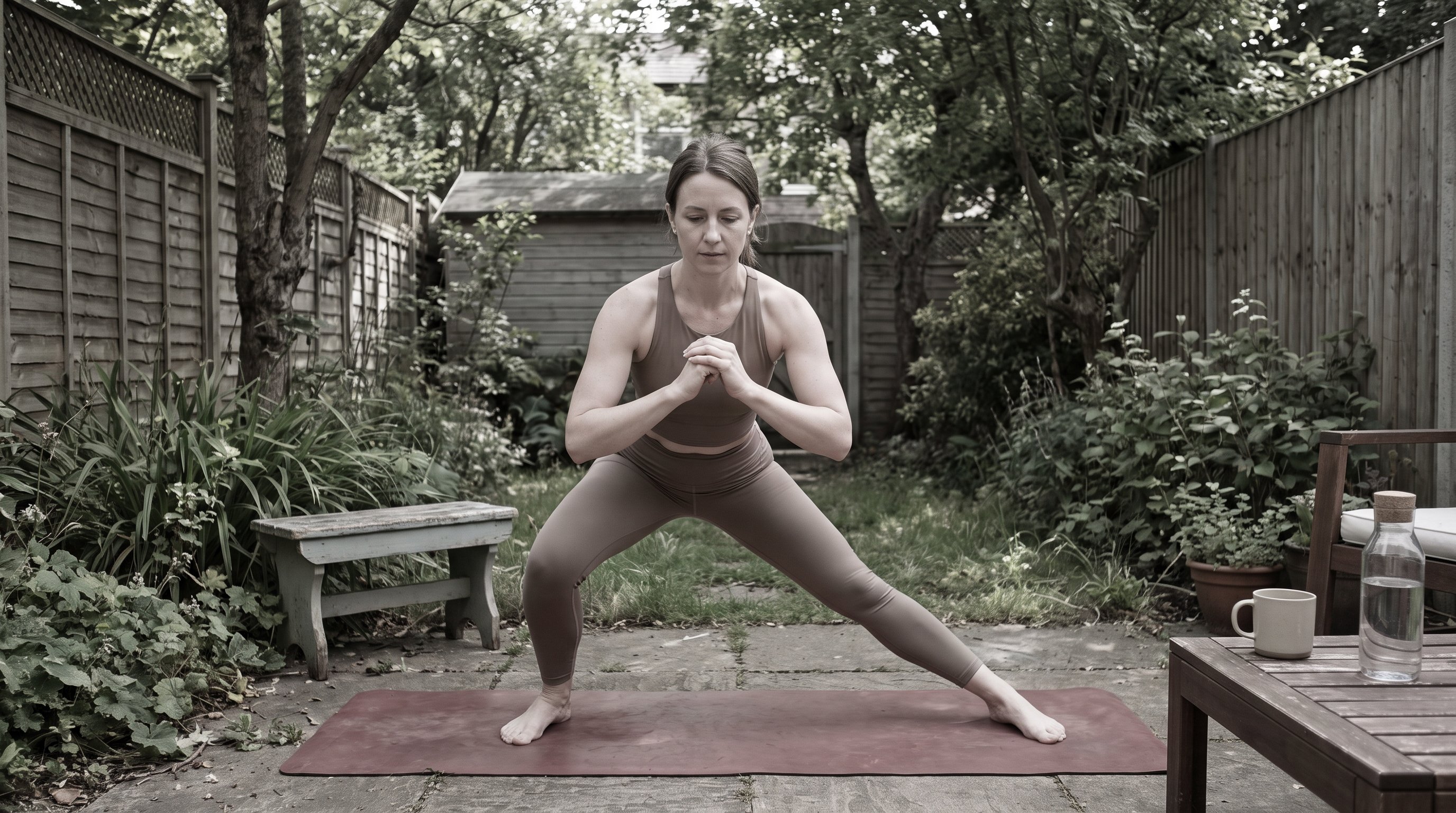
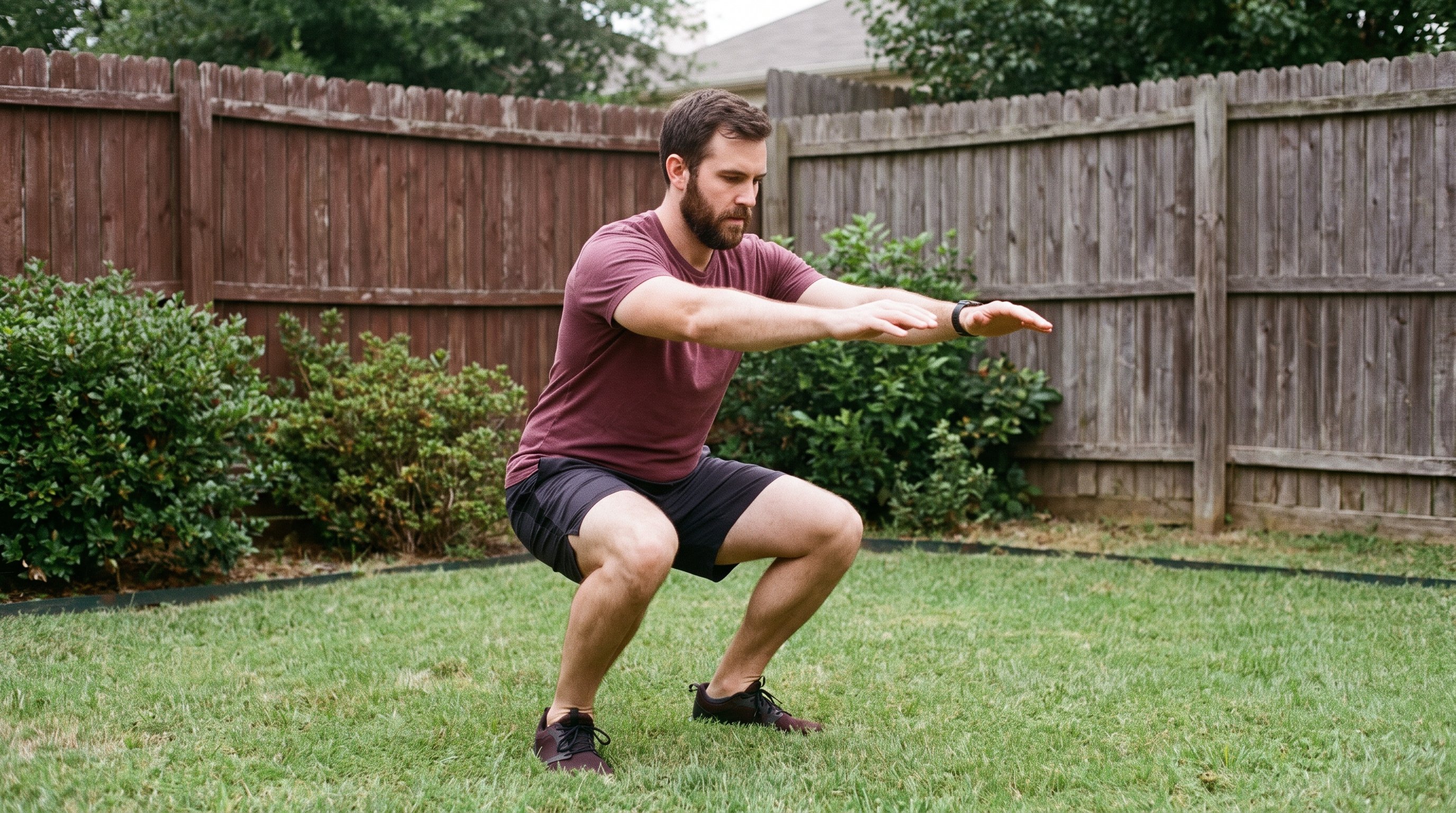
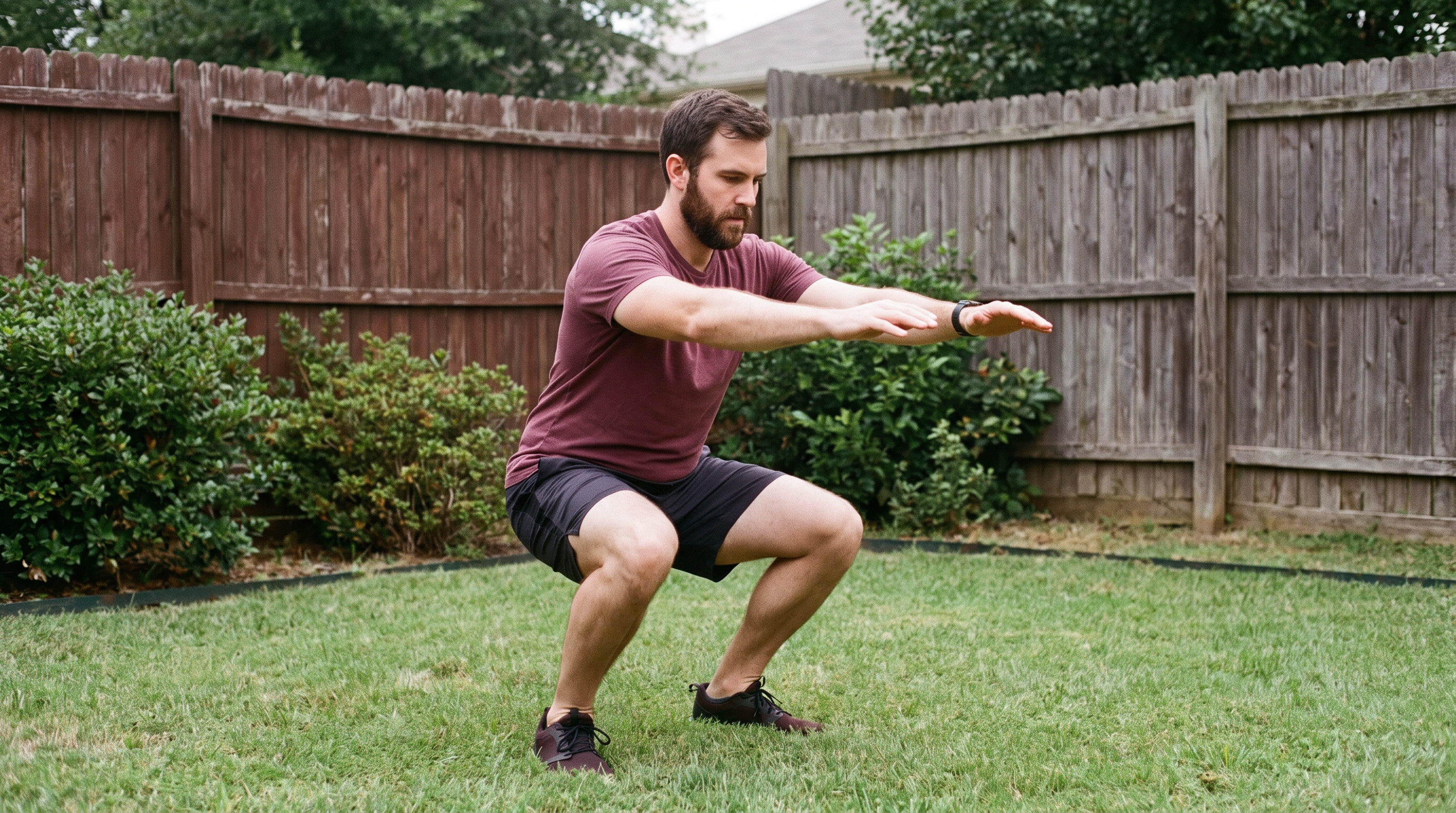
Squats, lunges, step-ups and single-leg work load the same muscles a barbell would, just through body position, tempo and range of motion instead of added plates.
This guide covers a sample week, how much training the legs actually need, why the simpler route tends to stick, and how to adjust the plan for different situations.
A Week of Leg Training Without Any Equipment
A realistic home leg schedule does not need to happen every day. Here is a week that balances effort with recovery.
| Day | Focus |
|---|---|
| Monday | Squats and lunges |
| Tuesday | Rest or walking |
| Wednesday | Step-ups and glute bridges |
| Thursday | Rest or light stretching |
| Friday | Single-leg squats and calf raises |
| Saturday | Rest or walking |
Three focused sessions a week is enough to keep the legs working, with rest days there to let the muscle actually adapt.
How Many Sets of Squats and Lunges Actually Count
Finding a Starting Number
A session built around three or four exercises, each done for three sets, gives the legs enough total work without turning into an hour-long event.
Reps matter less than people think, as long as the last few reps of a set feel genuinely hard to finish.
| Move | Sets | Reps |
|---|---|---|
| Bodyweight squats | 3 sets | 12 to 20 reps |
| Walking lunges | 3 sets | 10 reps per leg |
| Step-ups | 3 sets | 10 reps per leg |
| Glute bridges | 3 sets | 15 to 20 reps |
| Calf raises | 2 sets | 15 to 20 reps |
Bodyweight Squats Versus Loading a Barbell
A barbell back squat and a bodyweight squat both train the same muscles, but one needs a rack, plates and usually a trip somewhere, while the other needs floor space.
The barbell version can add weight faster once a person is used to it, but that speed comes with setup time, equipment cost and a learning curve on form.
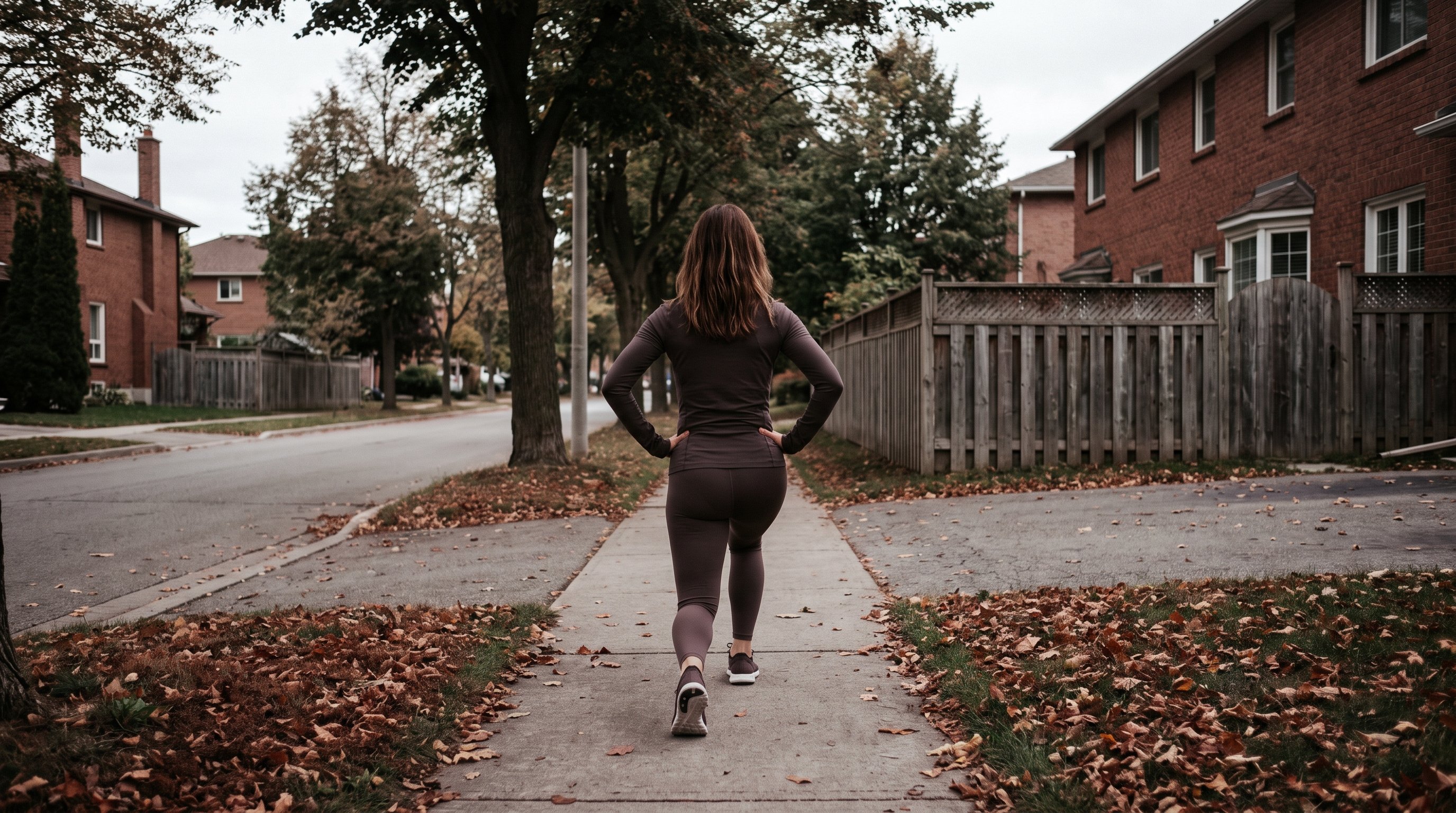
A bodyweight squat done slower, paused at the bottom, or performed on one leg, creates plenty of the same tension without any of that overhead.
The route someone actually keeps doing three months from now beats the one that looked more impressive on day one.
Making Home Leg Training Work Around a Full Day
A leg session does not need a dedicated gym bag or a commute, which is most of why it survives a busy week when gym plans fall apart.
Fifteen to twenty minutes before work, between meetings, or after the kids are in bed is enough room for three or four exercises done properly.
Carnimeat fits into that same logic: a meal plan built around food you already like removes one more decision from a day that already has too many, and the guided workouts in its library of 100+ exercises give a leg session a clear structure instead of a guessing game.
Adjusting Leg Training for Different Starting Points
Starting From Scratch
Someone new to training does fine with bodyweight squats and glute bridges alone, building confidence in the movement before adding lunges or single-leg work.
Short on Time
A busy schedule still allows for one fast circuit of squats, lunges and calf raises done back to back, which covers the whole leg in under ten minutes.
Training With Joint Concerns
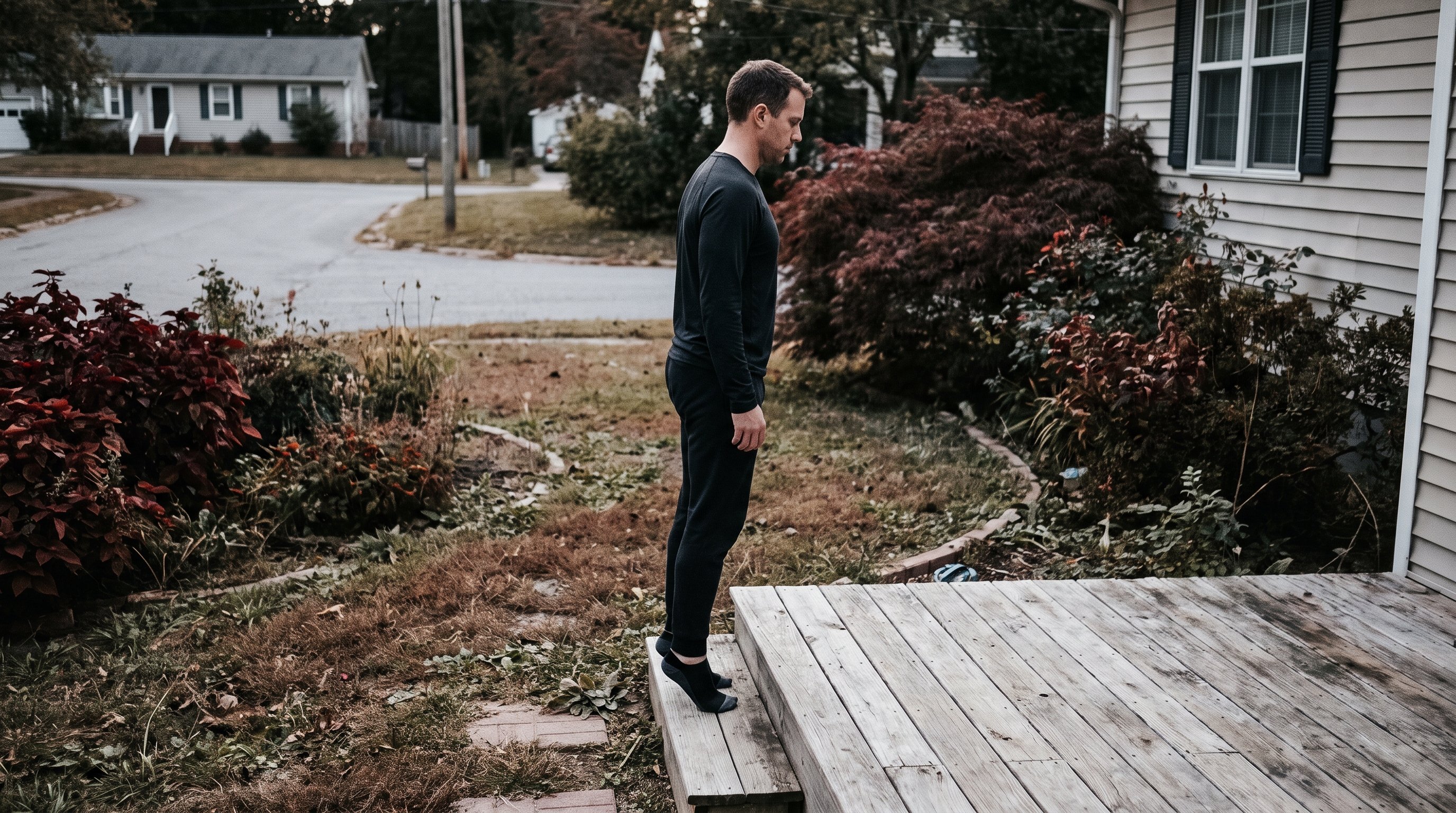
Step-ups and partial-range squats put less strain through the knee than deep lunges, so starting there and adding range slowly tends to feel steadier.
Already Fairly Fit
Single-leg squats, slow eccentrics and paused reps raise the difficulty of a bodyweight move without needing any extra equipment at all.
When Leg Strength Starts to Show Up
The first few weeks of a leg routine usually feel like learning the movement more than getting stronger, and that is normal rather than a sign something is wrong.
Many people notice stairs feel easier or a squat feels steadier before they notice any visible change, and that shift in how a movement feels tends to arrive before anything else does.
This is also the stage where people quit, right before the routine becomes familiar enough to need less thought.
Staying with the plan through those first few weeks, even when nothing dramatic has happened yet, is what carries someone into the part where the training actually starts to feel automatic.
Pairing a Home Leg Routine With Carnimeat
A leg routine is only half the picture, since muscles rebuild from the food eaten around the training, not from the exercise alone.
Carnimeat brings a tailored meal plan, progress tracking for weight and water, and a library of over 500 carnivore recipes into one place, so the eating side of the week does not need to be figured out from scratch alongside the training side.
The app's nutrition and workout guides also cover how training and recovery interact, which gives the leg routine above some context instead of leaving it to stand alone.
Power Your Body Daily
Build Strength With Food
Turning This Leg Routine Into a Real Habit
The simplest next step is picking three days this week and putting fifteen minutes of squats, lunges and bridges into each one, nothing more complicated than that.
Carnimeat can sit alongside that routine, keeping the eating side and the progress tracking in the same place so the training does not have to carry the whole plan by itself.
FAQ
Bodyweight moves like squats, lunges and step-ups load the same muscles a barbell does, and adjusting tempo, range or single-leg position can raise the difficulty without any added weight. Strength gains depend on consistent effort over time, not on which equipment created that effort.
Bodyweight training can keep challenging the legs as long as the difficulty keeps increasing, whether through slower reps, single-leg variations or added range of motion. It only stalls if the exercises stay exactly the same week after week.
Most leg exercises need roughly a metre of floor space, about the size of a yoga mat, so a corner of a bedroom or living room usually works fine. Step-ups can even be done on a sturdy staircase step if that is the only option available.
Most people drop off when the first weeks feel repetitive and nothing visible has changed yet, which is a normal stage rather than a sign of failure. Keeping sessions short, tracking them somewhere visible, and pairing the routine with a food plan through something like Carnimeat can make that early stretch easier to stick with.
Share this post