Push Up Workout: A Practical Guide To Doing It Right
By:Author:Carnimeat Editorial
Updated on:October 17, 2026
- Does This Movement Actually Build Strength?
- Push Ups vs Bench Press: Weighing the Two Options
- Why Skipping the Gym Keeps People Pressing Consistently
- Adjusting This Movement to Fit Different Situations
- Making the Habit Stick Beyond Week One
- The Myth That Push Ups Carve a Defined Chest
- Pairing Your Training With Carnimeat
- Turning Today Into Your First Real Set
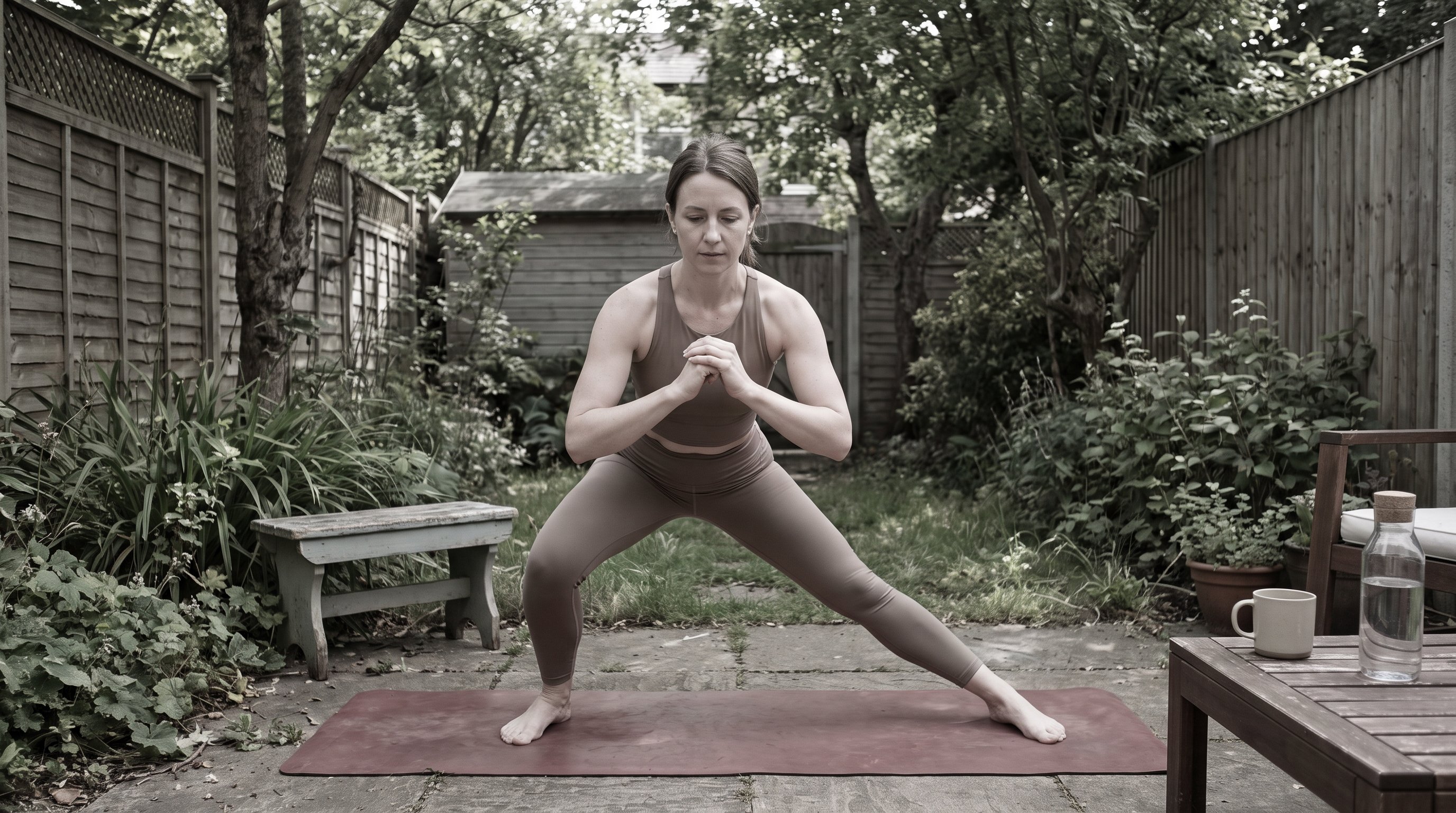
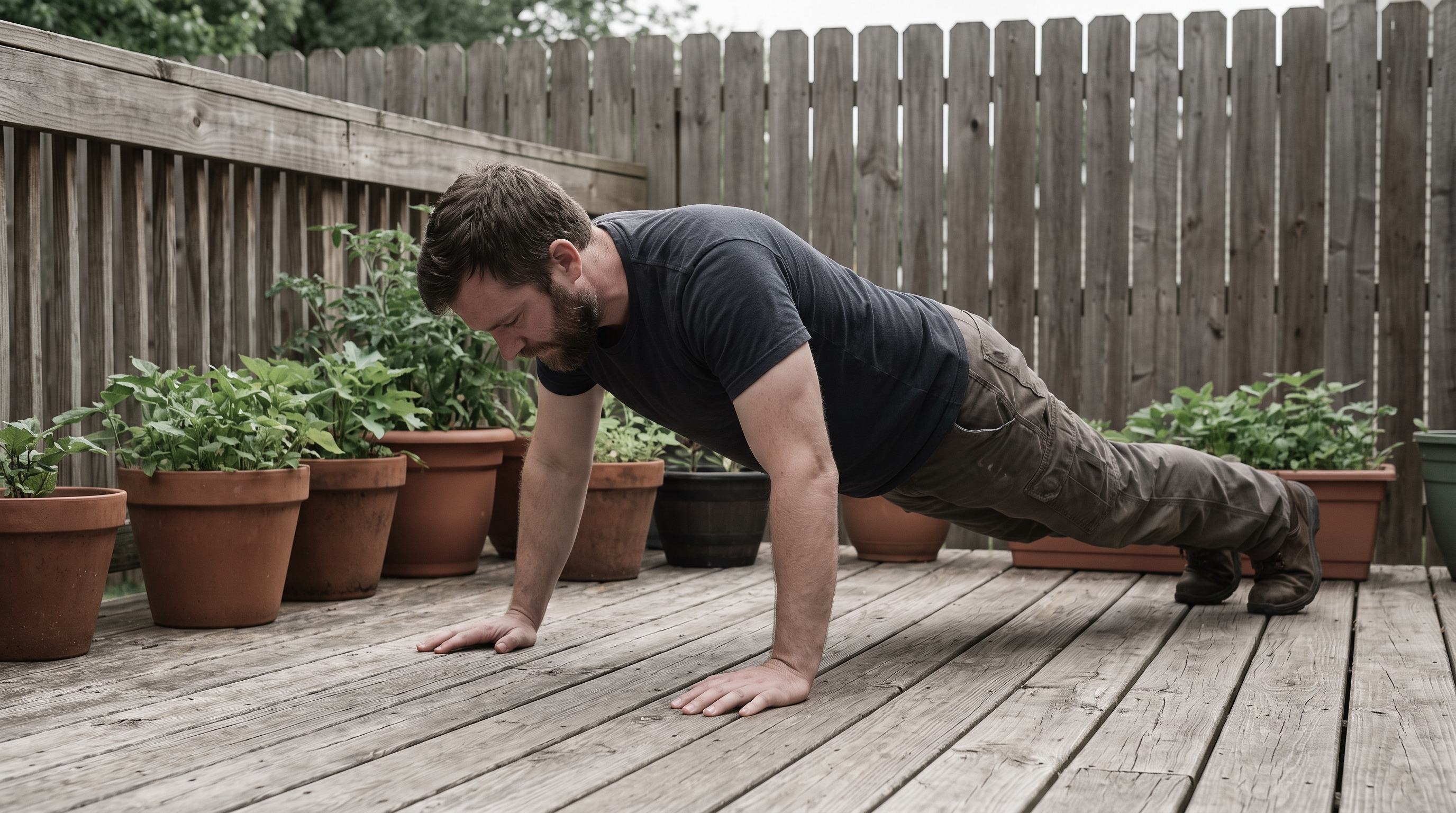
A push up workout builds chest, shoulder, arm and core strength using nothing but bodyweight and gravity. The movement works because it loads the same muscles a bench press does, just from the opposite angle, and your own weight supplies the resistance.
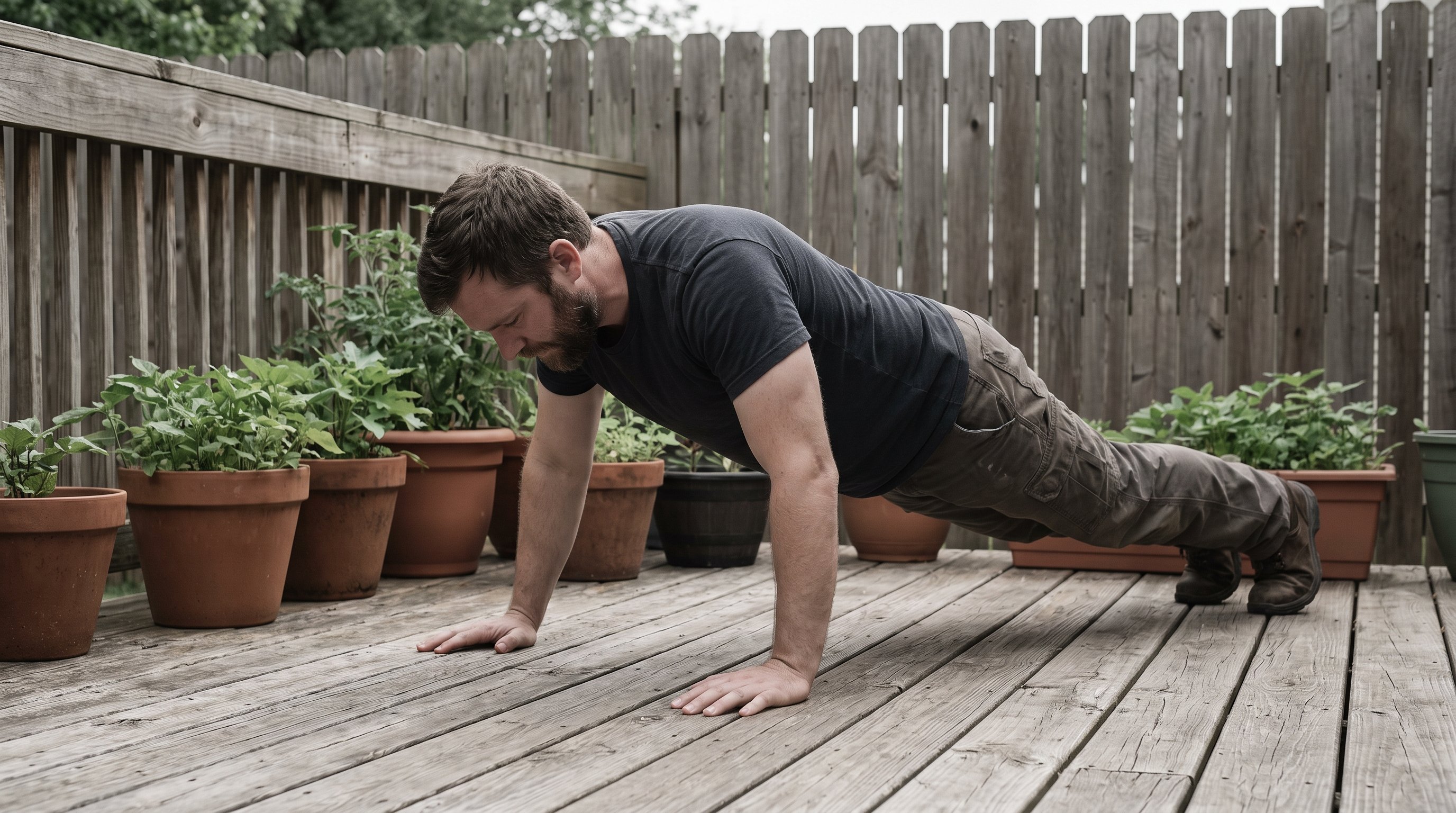
Push your body away from the floor and you ask the chest, triceps and shoulders to move a fixed load - you. That load does not change week to week unless you change the angle, the tempo, or the number of reps, which is exactly how progress gets made without a single dumbbell.
This guide covers whether push ups genuinely work, how many you actually need, how they compare to weighted pressing, and how to fit them into a normal week without turning it into a project.
Does This Movement Actually Build Strength?
Yes, and the mechanism is simple: a standard push up moves a significant portion of your bodyweight through the chest, shoulders and triceps. For someone who weighs 80kg, that is a meaningful resistance load on every single rep - more than plenty of entry-level bench press setups.
That resistance does not stay fixed if you do not want it to. Raise your feet and more of your bodyweight shifts forward onto your hands, raising the load; raise your hands instead and the load drops, which is how the same movement scales from a first attempt to a demanding set.
Do three sets of ten with good form, three times a week, and that is 90 reps of loaded pressing work weekly - arithmetic a reader can check on their own fingers, not a claim pulled from nowhere.
The muscles involved do not know whether the resistance came from a barbell or your own frame. They only register tension, and a push up done to near-failure creates plenty of it.
Push Ups vs Bench Press: Weighing the Two Options
Most people choosing between a push up routine and a bench press are really asking which one they will actually do consistently. Here is how the two stack up on the factors that matter day to day.
| Factor | Push Ups | Bench Press |
|---|---|---|
| Equipment needed | None | Bench and barbell |
| Setup time | Zero minutes | Loading plates first |
| Where it happens | Any flat floor | Gym or home rig |
| Load adjustment | Change body angle | Add or remove plates |
| Spotter required | Never needed | Often recommended |
Neither option is wrong. The comparison just makes it obvious why one of them gets done on a Tuesday night in a living room and the other gets postponed until the gym trip that does not happen.
Why Skipping the Gym Keeps People Pressing Consistently
The bench press is not harder to do - it is harder to start. Driving to a gym, waiting for a rack, loading plates and unloading them again adds friction before a single rep happens.
A bodyweight pressing routine removes every one of those steps. There is no commute, no equipment to find, no queue - just floor space and two minutes, which means the barrier between deciding to train and actually training drops close to zero.
Consistency beats intensity over time, and a routine you can do in your kitchen before coffee gets done far more often than one that needs a gym membership and a free bench. That difference in adherence, not the exercise itself, is usually what decides who keeps training a year later.
Adjusting This Movement to Fit Different Situations
Starting From Zero
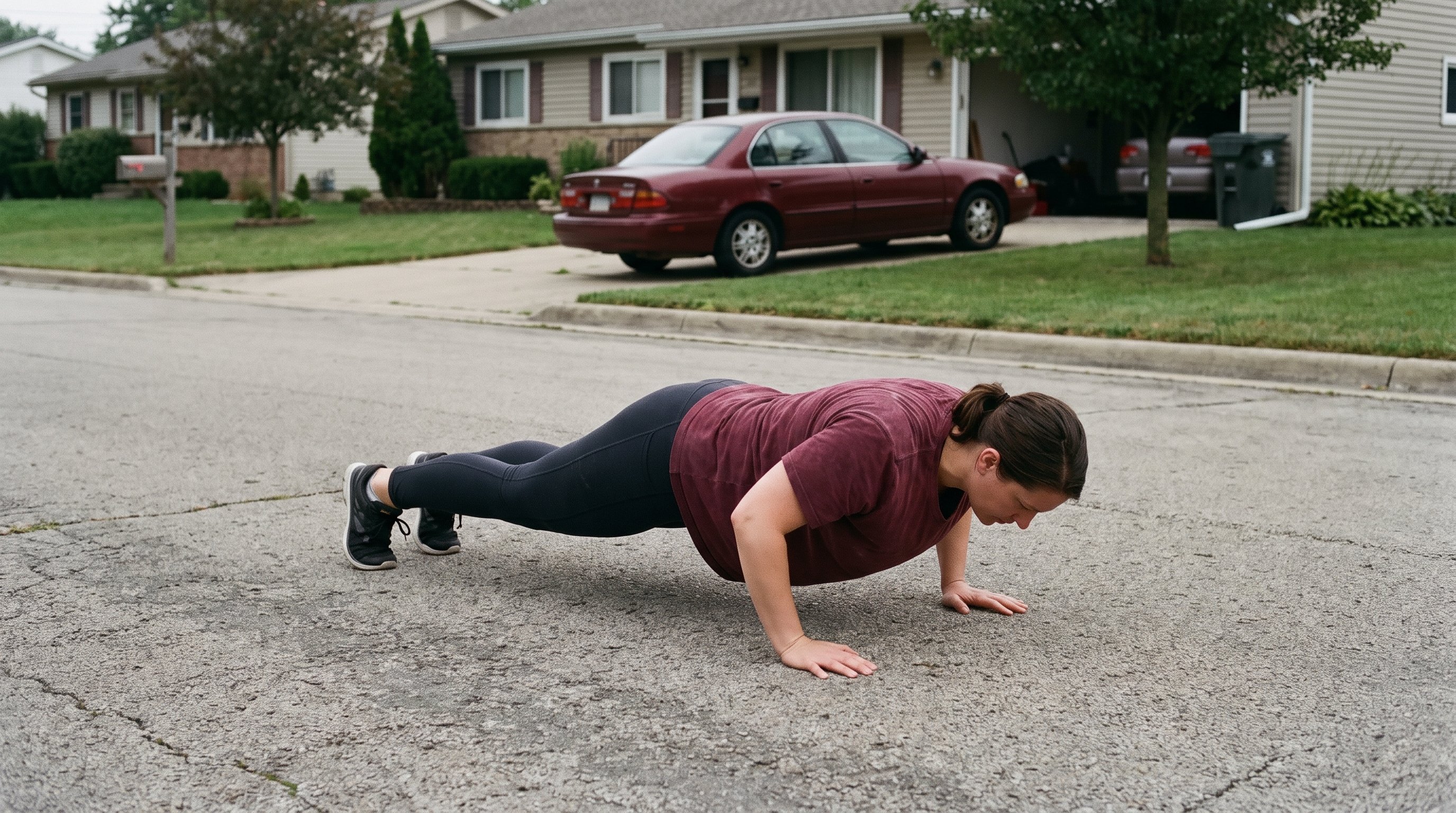
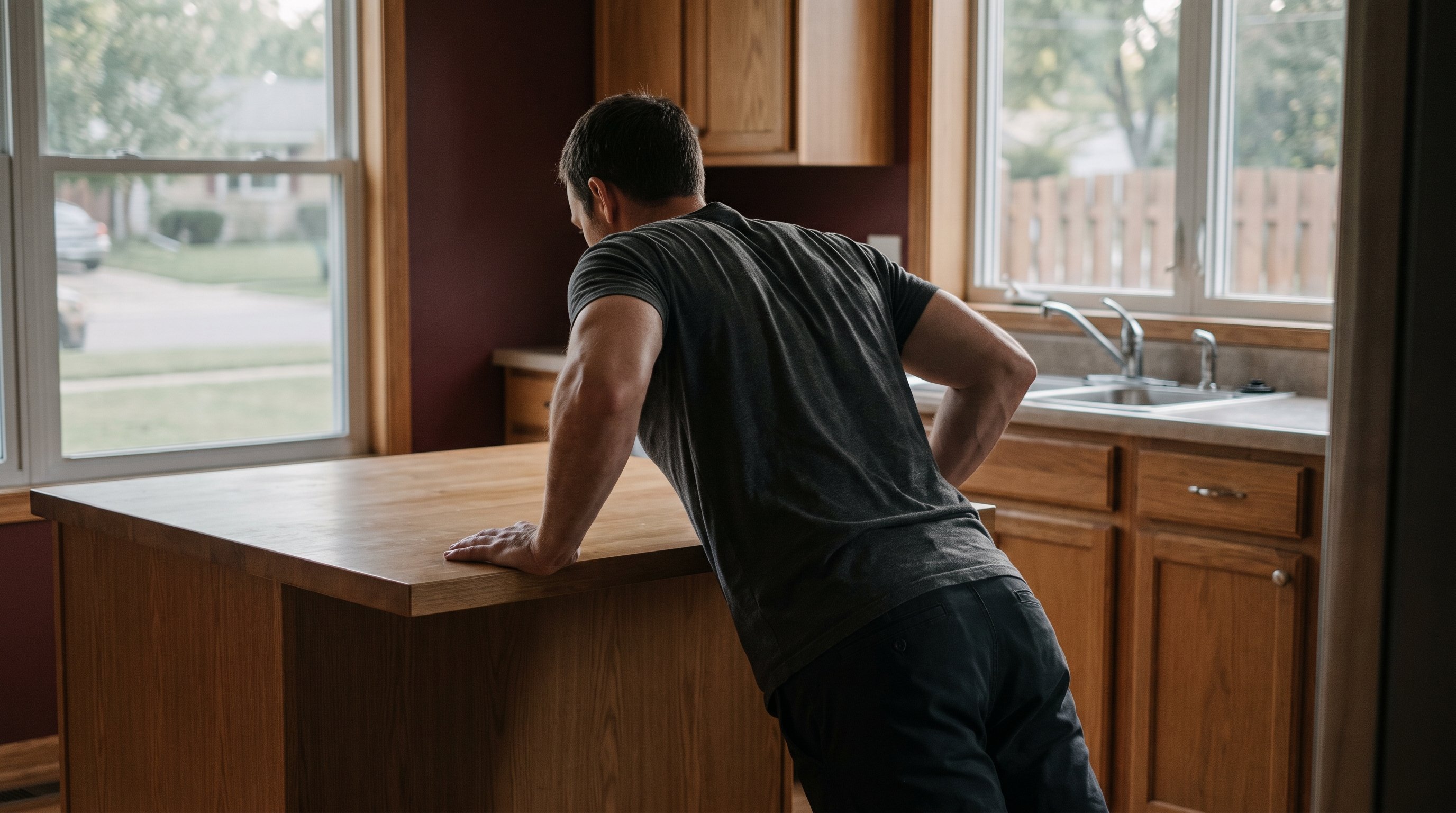
If a full push up is not available yet, rest the hands on a sofa arm or low table to cut the load. Fewer degrees of lean means less bodyweight transferred forward, so the same movement becomes achievable without changing what it trains.
Training Around a Packed Schedule
A full session takes under five minutes once warmed up, which fits into a lunch break or the gap between meetings. Three short sets spread across a day still add up to the same total reps as one longer block.
Training With Joint Sensitivity
Wrists or shoulders that feel cranky on a flat version often tolerate an incline instead, since the angle reduces load and shifts some pressure off the joint. Slowing the tempo down also reduces jarring compared with a fast, bouncy rep.
Pushing Past a Plateau
Once standard reps feel easy for high volume, raise the feet instead of the hands to add load back in. Narrowing the hand position or adding a pause at the bottom are other ways to make the same movement harder without any equipment at all.
Making the Habit Stick Beyond Week One
The exercise itself is the easy part - what usually breaks a habit is forgetting to do it, or losing track of whether reps are actually increasing over time. Writing three sets of eight on a sticky note works for about a week before it gets lost under something else.
This is where keeping everything in one place starts to matter more than the training itself. Carnimeat's library of over 100 workouts and exercises includes push up variations alongside progress tracking, so reps, sets and consistency over weeks sit in one spot instead of scattered sticky notes.
Pairing that structure with a meal plan built around food you already like means the training side and the eating side stop competing for attention, which is usually where good intentions quietly fall apart.
The Myth That Push Ups Carve a Defined Chest
No single exercise, including this one, can reduce fat from one specific area of the body - not the chest, not the arms, not anywhere. Fat loss happens across the whole body based on overall energy balance, not on which muscle just got worked.
What this movement genuinely does is build strength and muscle in the chest, shoulders and triceps. Whether that muscle becomes visible depends on body fat levels overall, which is a separate equation involving food and total activity, not a hundred extra reps targeted at one body part.
The honest answer is less exciting than the myth but more useful: train the muscle, manage the overall picture, and let time do the rest without expecting a shortcut that does not exist.
Pairing Your Training With Carnimeat
A bodyweight pressing routine gives the muscles a reason to grow stronger; what you eat afterwards decides whether that reason gets acted on. Carnimeat's guided workouts sit next to a tailored meal plan, so the training stimulus and the food that supports it are not managed in two separate apps.
The nutrition and health guides cover the basics of recovery and habit-building in plain terms, written to sit alongside the workout library rather than replace it. Progress tracking for weight, water and steps means the exercise numbers are not the only thing being measured.
Power Your Body Daily
Build Strength With Food
Turning Today Into Your First Real Set
The fastest way to know where you stand is to drop to the floor right now and do as many as form allows, elevated or flat. That single number becomes the baseline every future session gets measured against.
From there it is just repetition - same movement, slightly adjusted angle or rep count each week. Carnimeat's workout library can hold that progression alongside the rest of daily habits, so the rep count is one line in a bigger picture instead of a number nobody tracks.
FAQ
Three sets taken close to failure, three to four times a week, is enough to build meaningful strength over time. The exact number matters less than training near your current limit and adding reps or difficulty gradually.
A standard push up moves a significant portion of your bodyweight, which for most people is a serious load without any equipment. Harder variations like feet-elevated or weighted-vest versions push that load higher still.
Start with hands elevated on a stable surface like a step or sofa arm to reduce the load, then lower the surface as strength builds. Carnimeat's workout library includes beginner-friendly variations that scale the same movement without skipping it entirely.
Reps alone stop working once the body adapts to a fixed load, so the angle, tempo or rest periods need to change too. Tracking numbers weekly rather than daily makes stalls easier to spot and adjust for.
Share this post